The Tel Aviv issue
Five Days in Tel Aviv Without Renting a Car
Five days on foot and on shared bikes, along the seafront path and through the market streets, with the Shabbat timings that decide which day goes where.

By Inês MarquesWalking the White City, Jaffa and everything in between
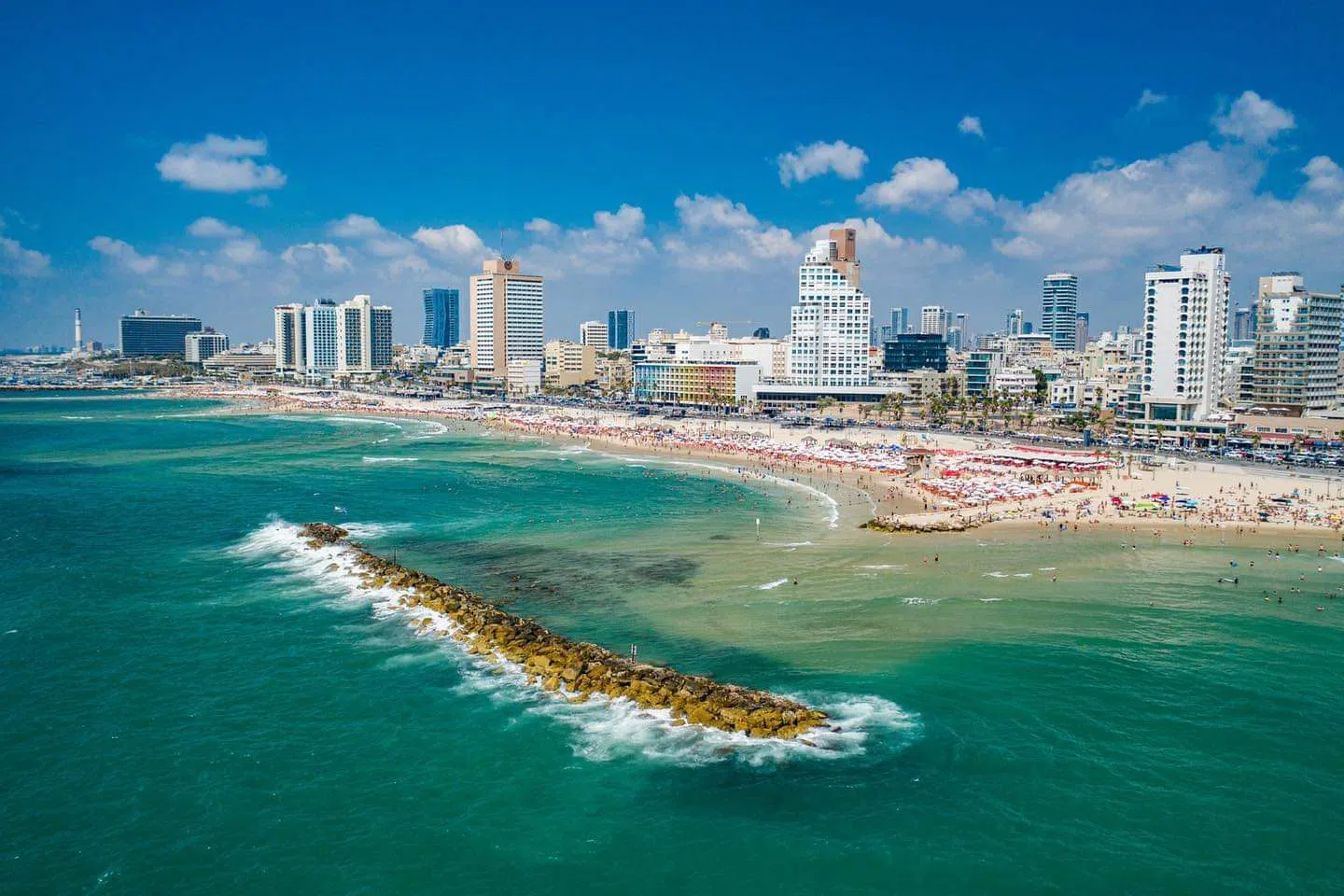
Tel Aviv sits on fourteen kilometres of flat sand, and the grid behind it went up in the 1930s for people walking to the sea. A car buys you almost nothing here except a parking problem: the places worth your time are twenty minutes apart on foot, the seafront path never crosses traffic, and the streets that reward you are the ones you would otherwise drive past. Five days is enough to walk most of the city and still sit down long enough to notice it.
How you will get around
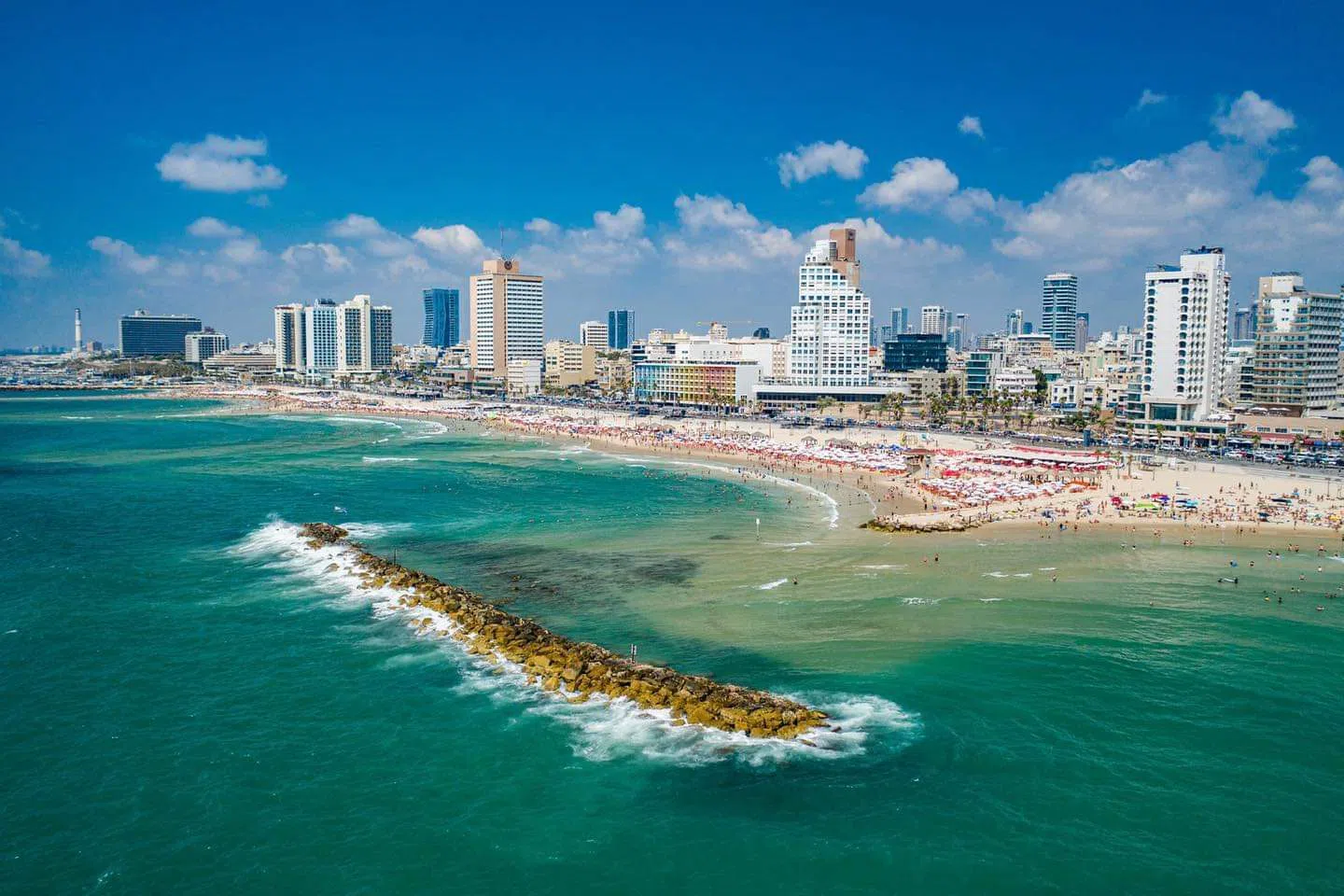
Everything below rests on two things. The first is the Tel Aviv Promenade (Tayelet), the seafront spine running the full length of the city, a continuous path from Tel Aviv Port down to Jaffa that never asks you to cross a road. Walked end to end at an unhurried pace it takes most of a morning, past Metzitzim, Hilton, Gordon, Frishman and Bograshov beaches, where matkot players, surf schools and large family groups all share the same sand. It costs nothing; a sunbed and umbrella runs ₪20–30. Lifeguards cover roughly May to October, with September and October patrols on duty from about 07:00 to 17:00. If you swim in late October after the flags come down, that is your own judgement call, and the undertow off the unpatrolled stretches is the reason the flags exist.
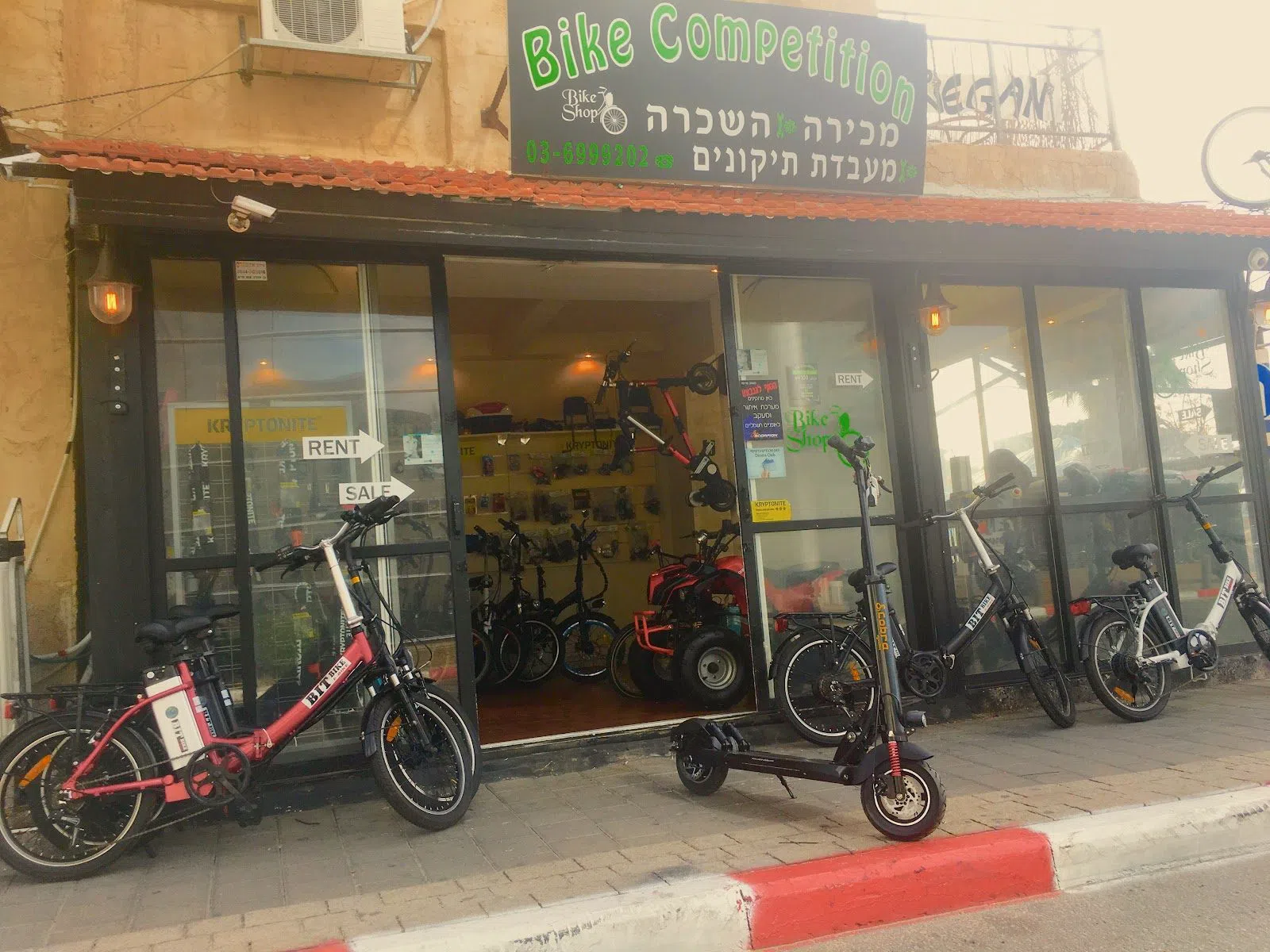
The second is Metrofun, the municipal bike share, formerly Tel-O-Fun, with docks across the centre and the seafront. Roughly 2,000 bikes sit across about 200 docks, electric ones among them. It is ₪5 to unlock plus ₪0.40 a minute on a standard bike, ₪0.65 a minute electric, and ₪39 for a monthly pass if your stay makes that worth it. Each rider needs the app and their own credit card, which matters for a group: four people means four phones, and there is no way to take out four bikes on one account. Outside the morning and evening rush, the docks along the promenade and the boulevards usually have something in them. Bird, Lime and Dott scooters cover the same ground when they do not. Ride the seafront and the river paths rather than the traffic. The protected routes reach almost everywhere in this itinerary, and the drivers treat lane markings as a suggestion.
Buses and the light rail handle the two or three journeys that are genuinely too long to walk, mostly the ones heading north. Nothing in these five days needs more than that.
Plan your Tel Aviv trip
Live prices from our booking partners.
Free cancellation on many rooms. We may earn a commission when you book.
Day one along the seafront
Begin at the northern end and walk south. The promenade starts at the port and runs past Metzitzim, which is where families and the neighbourhood regulars go, then Hilton, then the more crowded middle stretch at Gordon, Frishman and Bograshov, where the surf schools set up and the beach volleyball courts fill by late afternoon. Doing this on your first day is orientation: by the time you reach the older buildings at the southern end you will have seen how the whole city is arranged against the water, and you will stop needing a map.
Bring water and take the shade seriously between roughly 11:00 and 15:00 from spring through October. There are showers and toilets along the way, the sand is public everywhere, and no stretch of it is private.
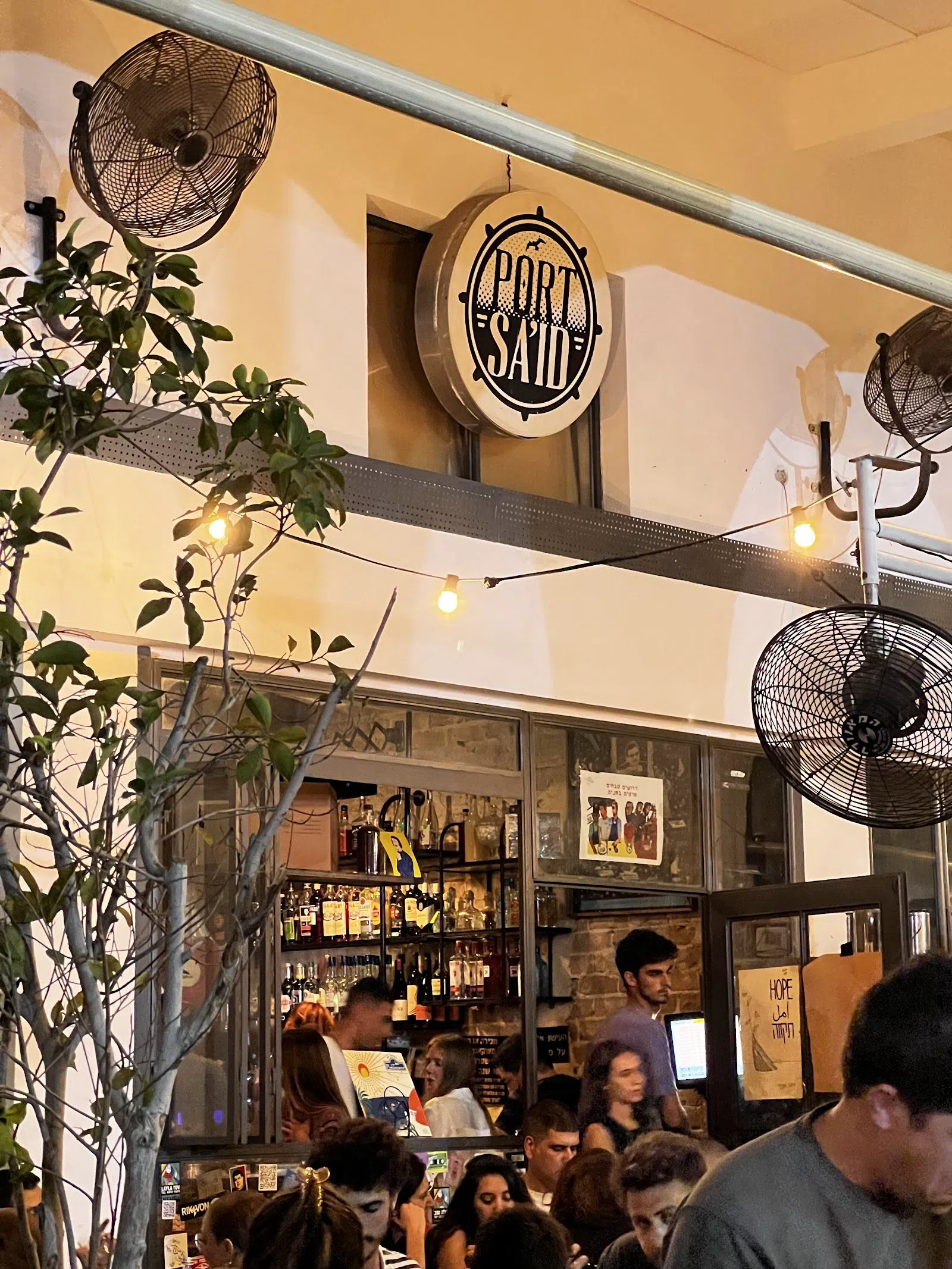
For dinner, walk inland to Har Sinai and Port Said, a bar and restaurant just off the main central grid. Eyal Shani opened it in 2014 and it set the template for how this city eats late: a short list of shared Israeli plates that changes daily, ₪50–90 a plate, running until around 5am. There are no reservations at all, ever. Two of you will get a table within a reasonable wait. Six of you will stand on the street with a drink until something opens up, which is what most of the crowd is doing anyway. If that sounds like an ordeal rather than an evening, eat somewhere else and come for the drink afterwards.
Day two through the markets
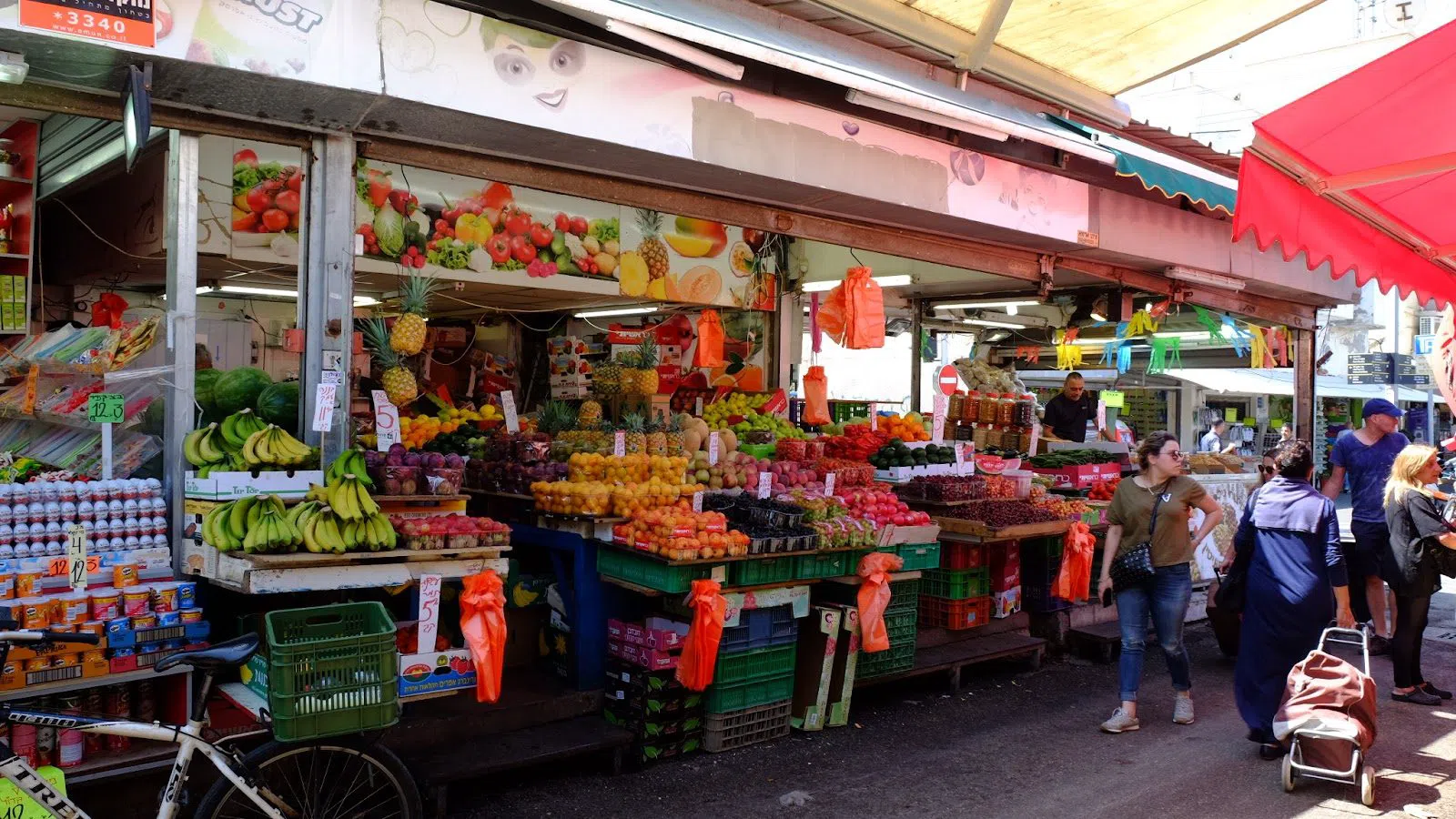
Carmel Market (Shuk HaCarmel), the food market running off Allenby in the centre, opens around 08:00 and trades until late. Lunch inside it costs ₪15–45. Go early. A party of six moves at a crawl through the middle aisles on a Friday morning, and the two rules that catch out first-timers are that it winds down early on Friday afternoon and closes entirely on Saturday. If your Saturday plan was a market food day, move it.
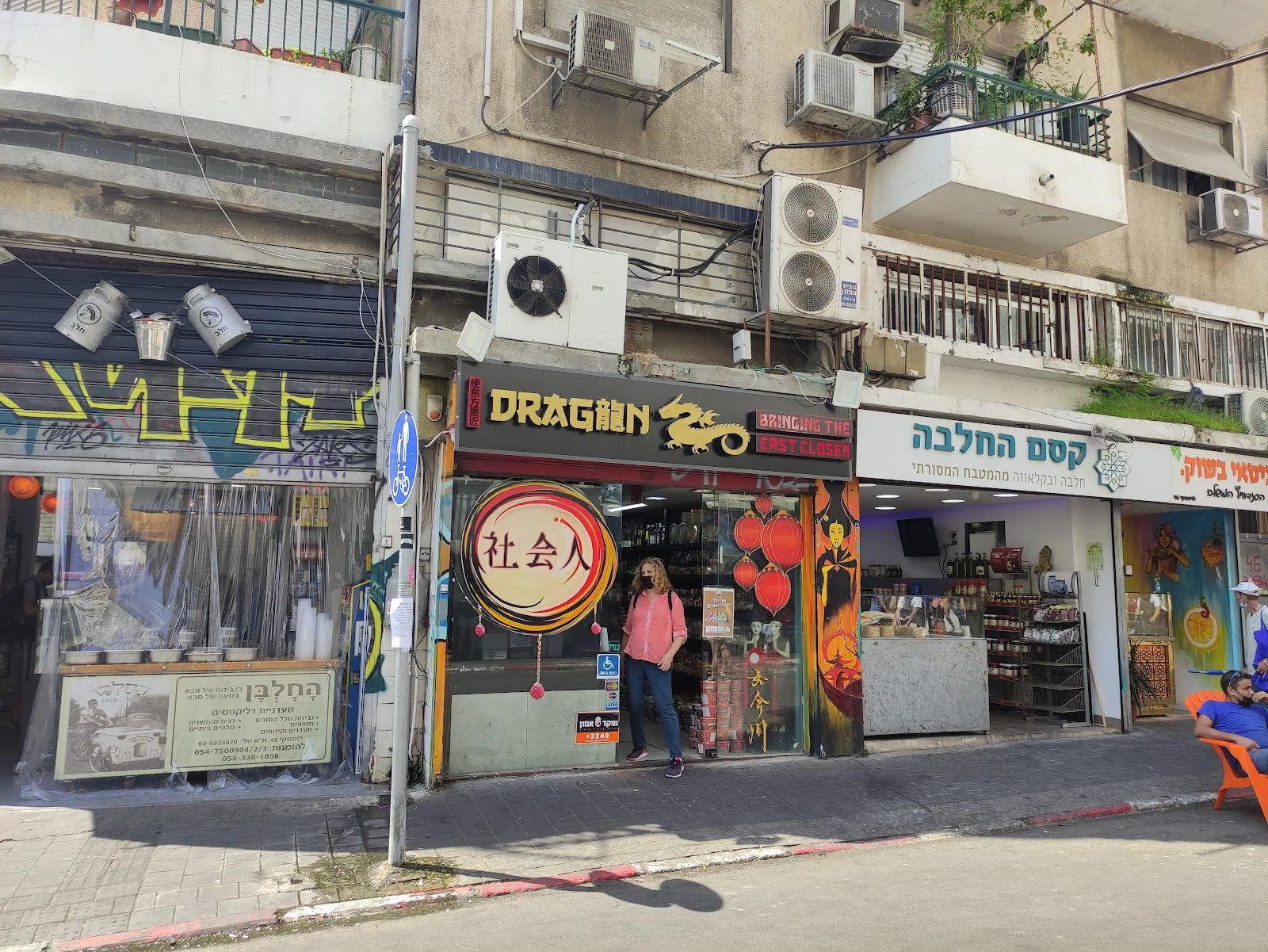
From the southern end, walk fifteen minutes further south into Florentin and you reach Levinsky Market, the spice and food street that acts as the counterweight to Carmel, Balkan and Persian in its stock rather than Levantine. Stuffed pastries, borekas and spice sold by weight run ₪10–40. The shops are genuinely tiny, one or two customers deep, so a group of more than four should split and regroup on the pavement. Food tours pass through constantly, so expect to wait behind one. Friday morning is when the whole street is shopping for Shabbat, which is the day it makes the most sense and the day it is most crowded; both things are true.
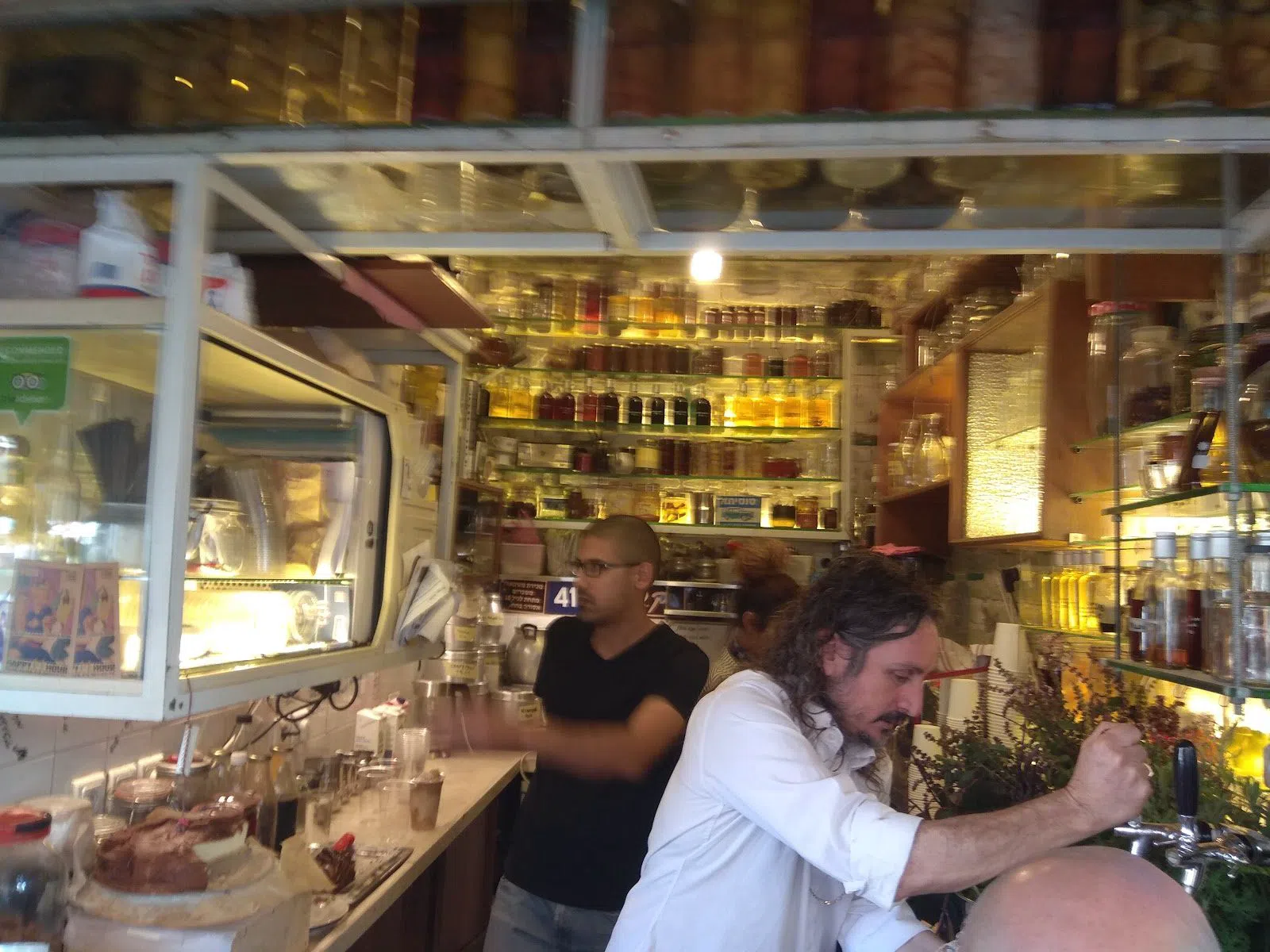
Halfway along, stop at Café Levinsky 41, the gazoz kiosk in the middle of the same street. Benny Briga built the drink that made this address known: soda, fruit syrup and fresh herbs, ₪18–28 a glass, assembled in front of you. It is standing room only with a couple of stools, there is usually a short queue, and groups take their glasses out onto the street. Allow ten minutes.
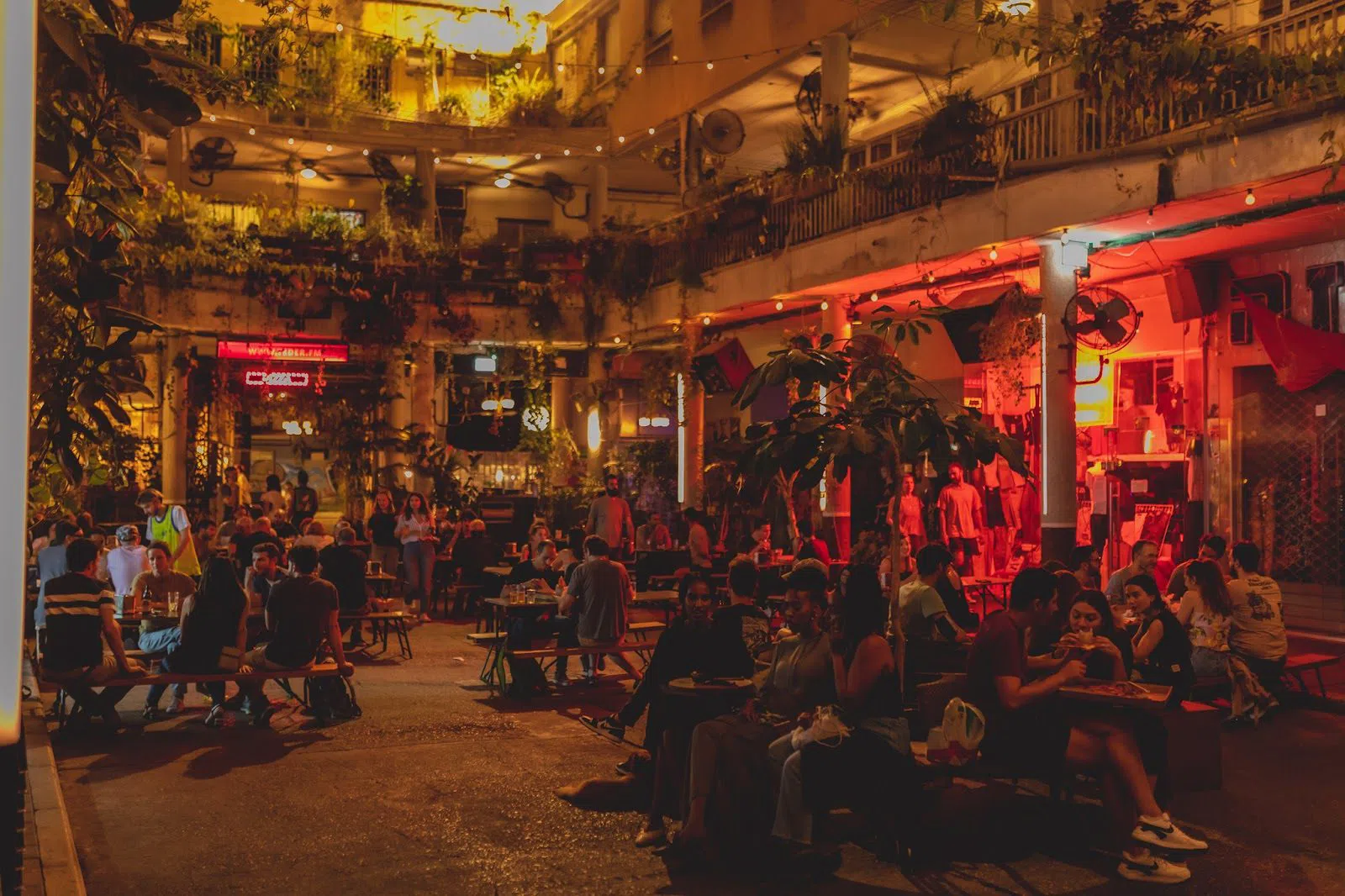
End the day at Teder.fm, the courtyard bar at Derech Jaffa 9, between Florentin and the centre. It began as a radio station and grew a bar around itself; the courtyard opens from 18:00 daily and from noon on Friday and Saturday. Communal benches suit groups well, but there is no table service. You order at the hatch and take whatever seats are free, so arrive early if you want to sit together. Budget ₪40–70 a head. It is also the easiest place in the city to finish a night on foot if you are sleeping anywhere central.
Day three in Old Jaffa
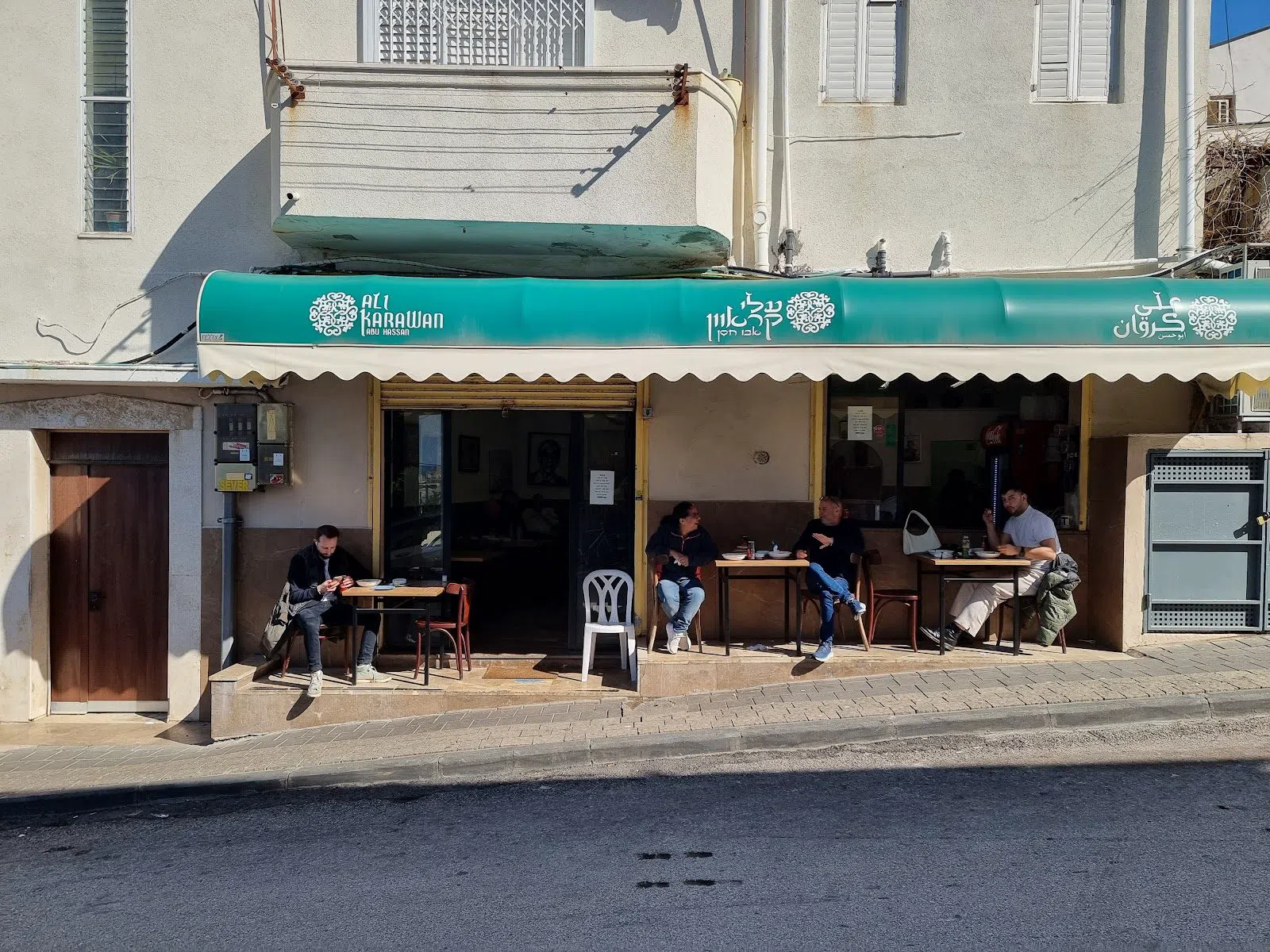
Start before eight. Abu Hassan (Ali Karavan), the hummus house on HaDolphin Street in Jaffa, opens at 07:45 and closes the moment the hummus runs out, usually early afternoon and sometimes well before. The family has been serving since a 1959 handcart and from this street since 1972, and it is still the plate everything else in the country is measured against. A plate is ₪25–40. There are no reservations, the tables are communal, and one waiter carries what looks like fifty plates at once. A group of six will be split across two tables and turned over quickly, which is how the room works. It does not open on Saturday.
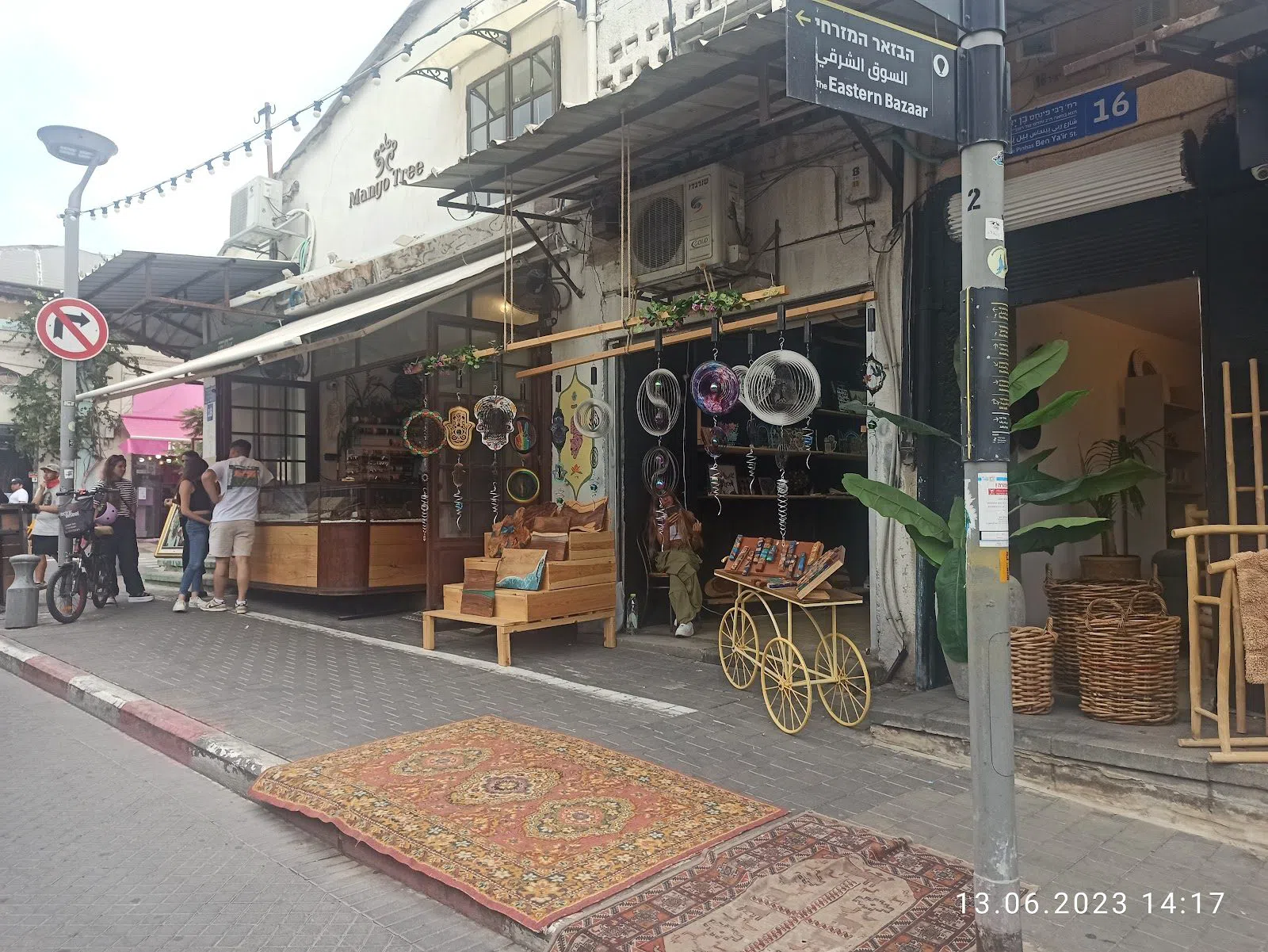
Walk it off through the Jaffa Flea Market (Shuk HaPishpeshim), the antiques quarter a few streets inland. It is really two venues sharing one address: a trading market Sunday to Thursday from 10:00 to 18:00 and Friday until 14:00, then a nightlife quarter once the shutters come down. Browsing is free and easy in a group; the bars that take over the same lanes after dark are small and rarely take large parties, so split up or accept standing. It does not trade on Saturday, which is, awkwardly, the day the lanes are pleasantest to walk.
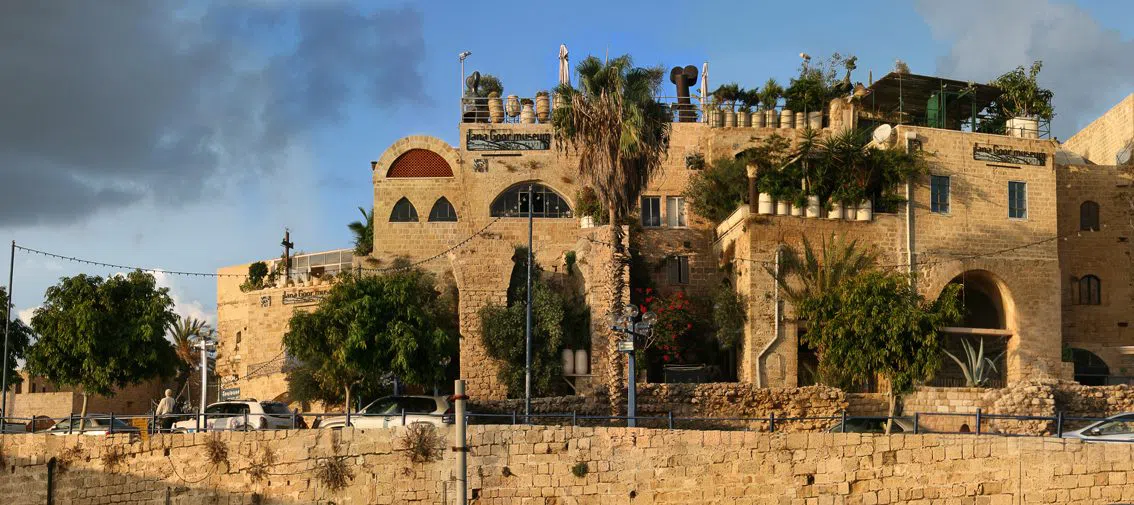
Then climb to Ilana Goor Museum at 4 Mazal Dagim in Old Jaffa, the artist's own house, over 500 works threaded through a labyrinth of stone rooms, about ₪40 for an adult. The rooftop gives you the sea and the whole curve of the coast back towards the towers, and it is worth the admission on its own. Open Sunday to Thursday 10:00 to 16:00, Friday to 14:00, and Saturday 10:00 to 16:00, one of the few museums here that trades on Shabbat, which makes it a useful Saturday anchor. Group visits and multilingual guided tours are arranged in advance on 03-6837676. The free Friday noon tour is on hold until further notice, so do not build a plan around it.
Day four for the White City and the art museum
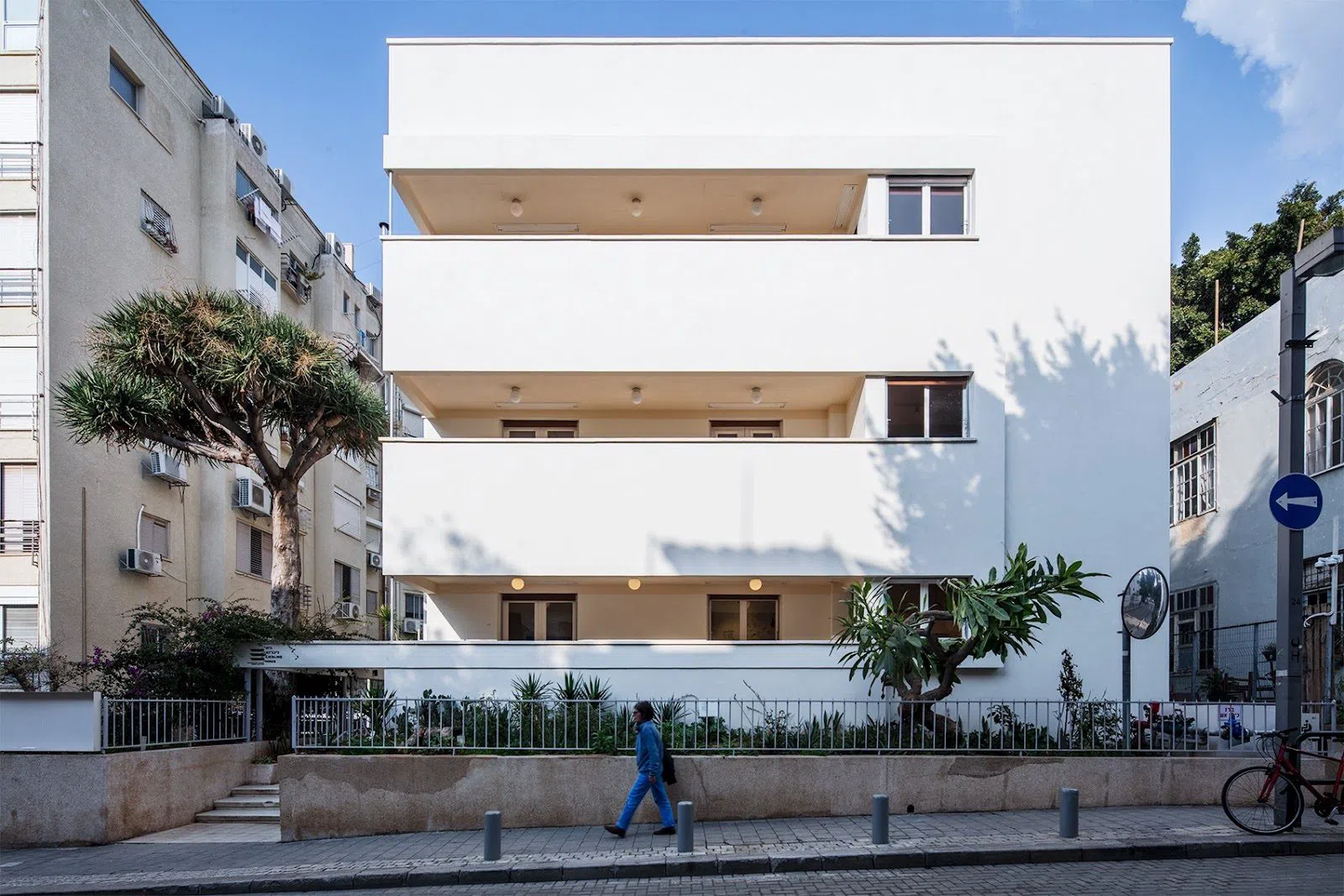
Liebling Haus — The White City Center, the architecture centre in the middle of the Bauhaus district, is where the UNESCO listing turns from a caption into something you can see on the street. Entry is free, it opens six days a week including Saturday morning, and there is a self-guided audio app for walking the surrounding streets afterwards. A Hebrew-language house tour of the White City runs Saturdays at 12:00; group tours and workshops are bookable. Its old whitecitycenter.org domain has lapsed to an unrelated site, so use lieblinghaus.org.
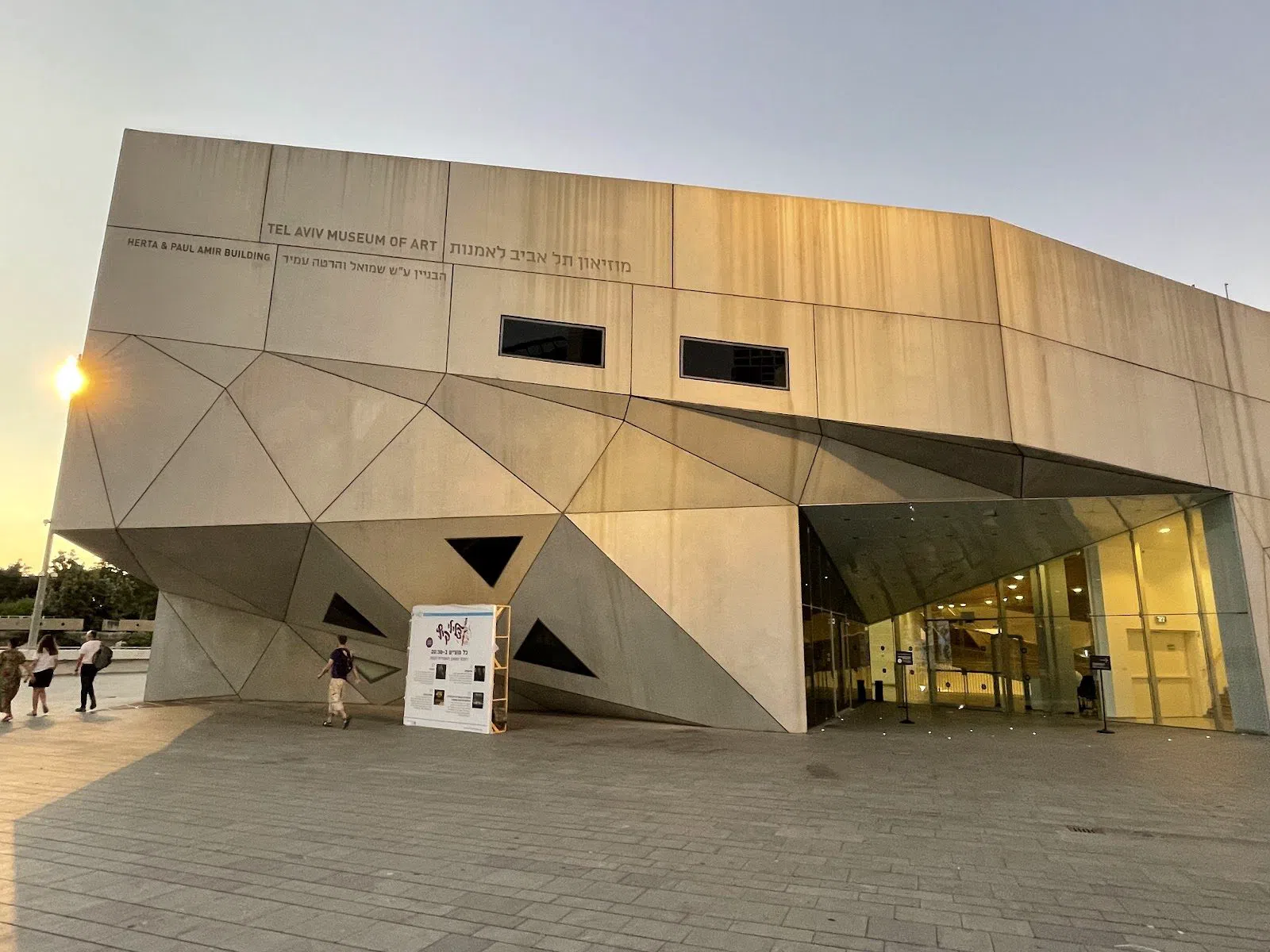
Spend the afternoon at Tel Aviv Museum of Art, the flagship art institution, ten minutes on foot from the Shaul HaMelech light-rail stop. It has been running since 1932; adult entry is around ₪50 and under-18s go free. It closes on Sunday, stays open late on Tuesday and Thursday until 21:00, and, importantly for this itinerary, opens on Saturday. The Amir wing absorbs crowds well, so it holds up even on a full Shabbat afternoon, and group rates and booked guided tours are available.
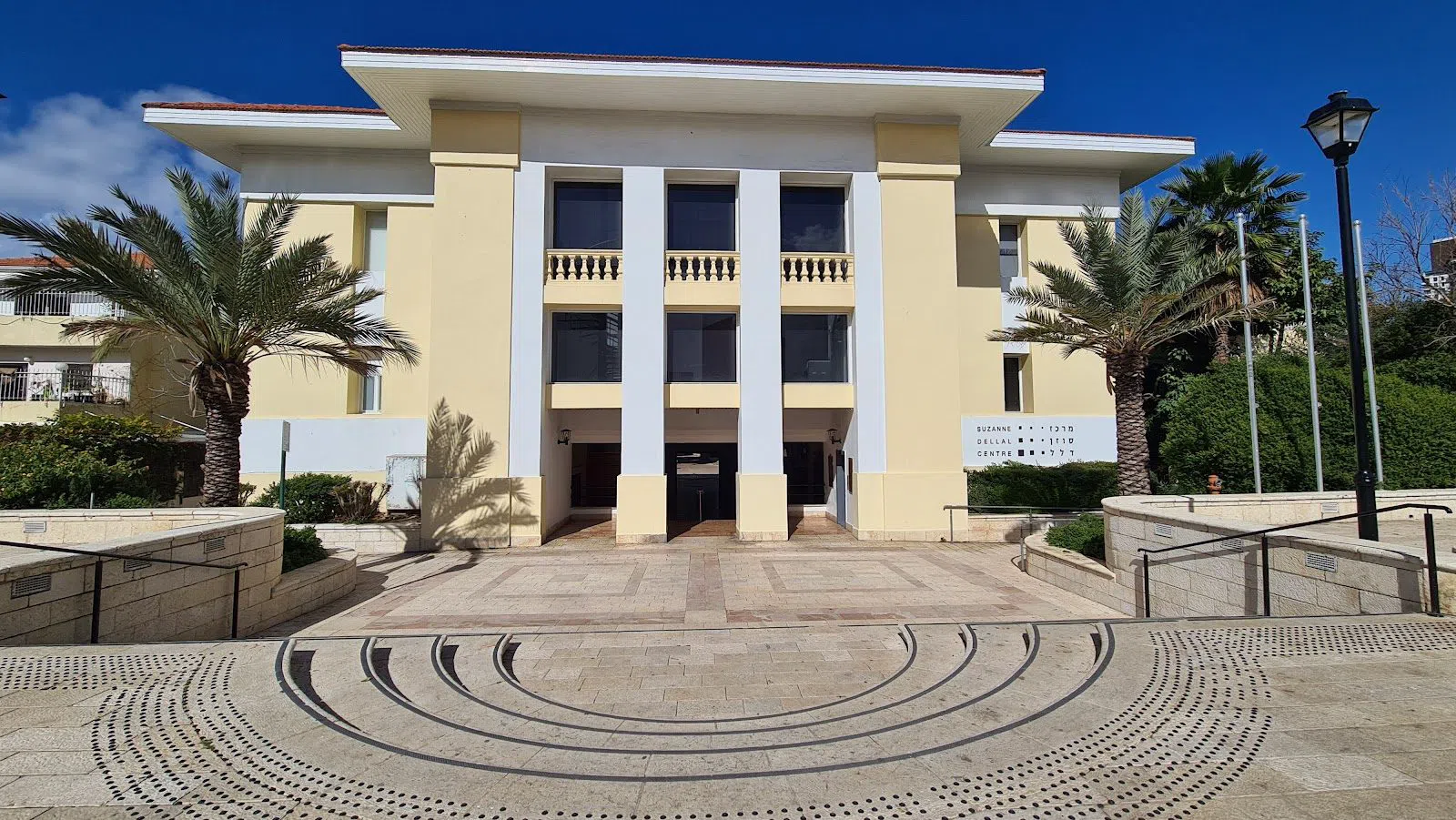
In the evening, walk south-west into Neve Tzedek to the Suzanne Dellal Centre for Dance and Theatre at 5 Yehieli Street. It is the home of Batsheva Dance Company and Inbal, tickets run roughly ₪120–250, and Batsheva sells out, so book before you fly rather than on the day. Group bookings go through the box office on 03-5105656. If you are not seeing a performance, the courtyard is free to sit in day or night, and the walk to it from HaTachana through the low old streets is the reason to come regardless.
Day five on the river and up north
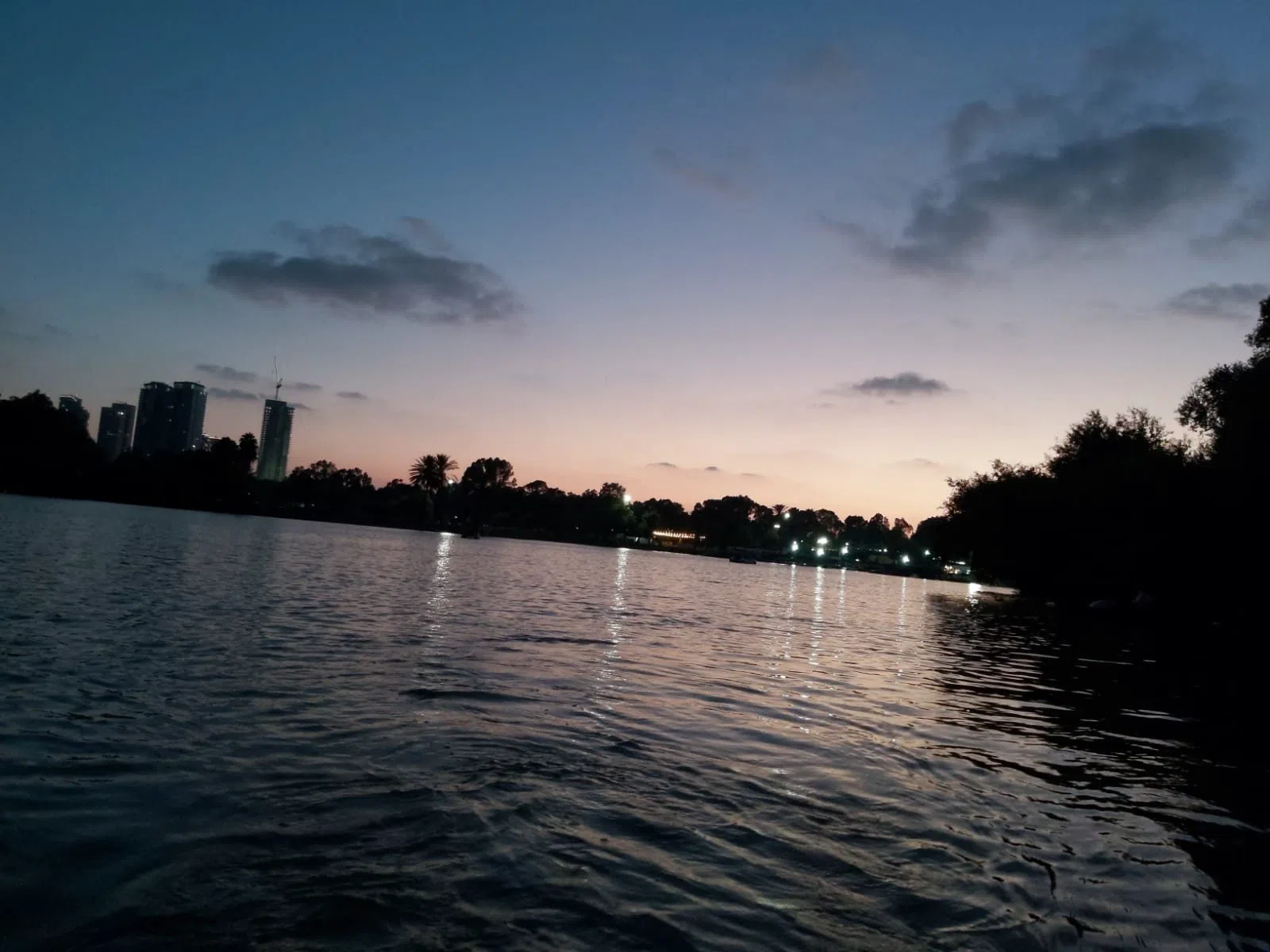
Take a bike out for Ganei Yehoshua (Park HaYarkon), the big riverside park north of the centre. This is the day the bike share earns its cost: the path along the river runs from the park all the way down to the port without a single road crossing. The park is free and open around the clock. Rowing boats are ₪70 for thirty minutes or ₪80 an hour, motorboats ₪120 for thirty minutes, hire running roughly 08:00 to 17:00, and boats go by the boat rather than the head, with one passenger required to be over 14.
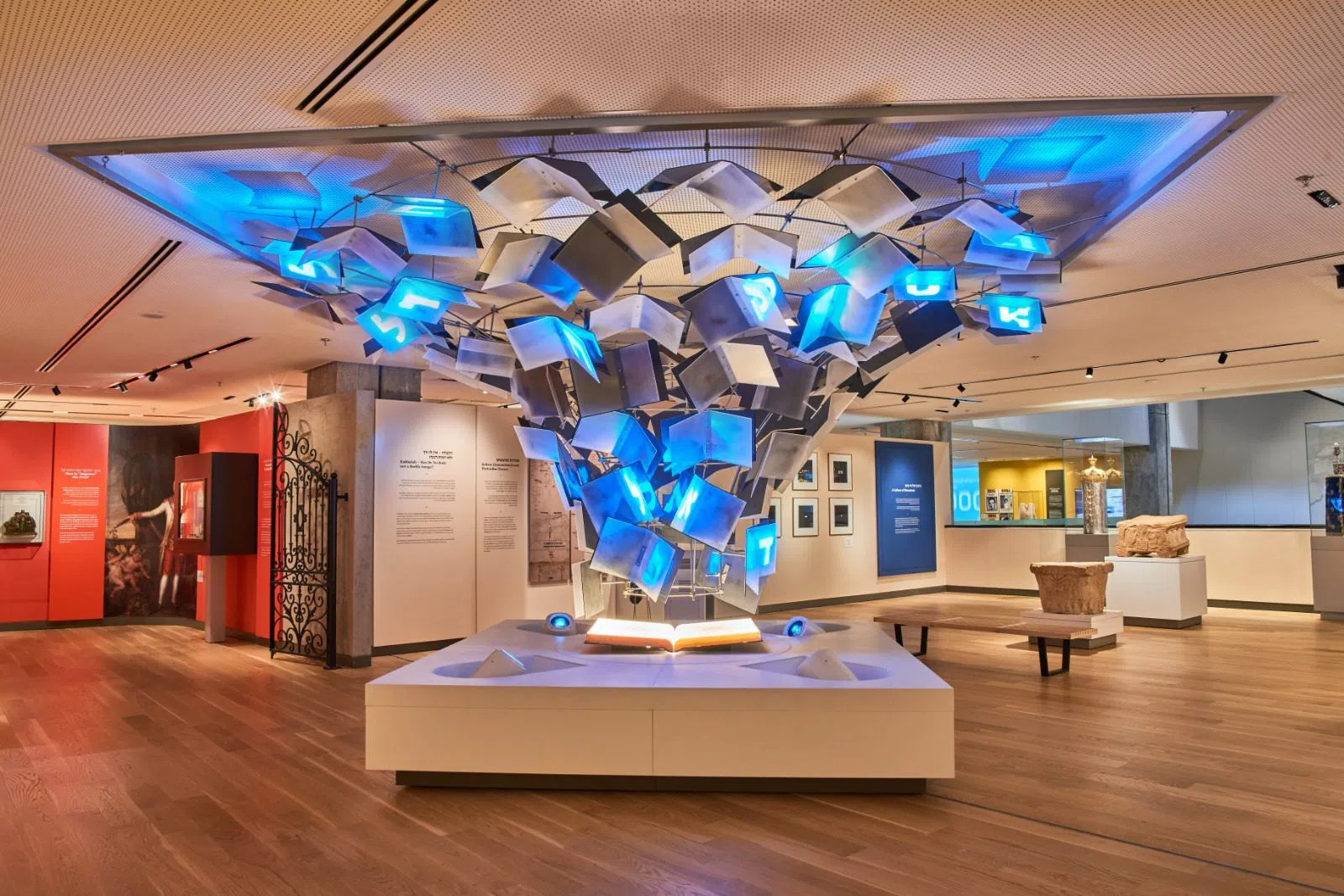
Finish at ANU — Museum of the Jewish People, on the university campus at the northern edge of the city, reachable by bus or the university train station, entering through Gate 2 or Gate 7. Rebuilt and renamed from Beit Hatfutsot, it is now the largest Jewish museum in the world, and around ₪52 for an adult. Buy a timed ticket online. It is built for groups, with advance group booking and school programmes, so it handles a party of ten far better than anywhere else in this article. Sunday to Wednesday 10:00 to 17:00, Thursday to 20:00, Friday to 14:00, closed Saturday, with scattered 2026 closure dates including 11.10 and 22.11, so check before you travel north for it.
Fitting the five days around Shabbat
The order above is deliberate but not fixed, and the one thing that must line up is the weekend. From Friday afternoon until Saturday evening, most public transport stops, most markets shut and a good number of kitchens close. None of that is a problem if you have planned for it, and it is pleasant if you have.
Put the markets on Friday morning: Carmel then Levinsky, both at their busiest and best, finished by early afternoon. Give Saturday to the places that trade through it: Ilana Goor Museum, Tel Aviv Museum of Art, Liebling Haus in the morning, the Jaffa lanes at their quietest, and the promenade, which does not observe anything. Keep Abu Hassan, the flea market's traders and ANU for a weekday, since all three are closed on Saturday. Sunday is a working day here, so treat it as one, except at the art museum, which closes.
On Saturday itself, assume buses and rail are not running and move on foot, on a Metrofun bike or by taxi. Staying central is what makes this whole itinerary work, and it is worth paying for: from anywhere between the port and Florentin, every day above starts at your door. Compare rates on the Tel Aviv hotel search before you commit to somewhere cheaper and further out, because the saving disappears into taxis by the third day.
Practical notes before you go
Transport is the easy part: no car, no rental insurance, no parking app. Budget for a bike-share account per person, a rechargeable transit card for the handful of bus and light-rail trips, and two or three taxis across the week, on Saturdays and late nights.
Cards work almost everywhere, including most market stalls, but carry a couple of hundred shekels for the small ones. Abu Hassan, the gazoz kiosk and the flea market's smaller traders are all simpler with notes.
Museums here close earlier than you expect, several shut one weekday, and the two late nights at the art museum are Tuesday and Thursday. Eat early or very late; the middle of the evening is when everything is fullest. Shade between 11:00 and 15:00 is not optional in summer.
Excluding your room, a reasonable day runs ₪250–400 a head: a market lunch at ₪15–45, one museum at ₪40–52, bikes under ₪30 with normal use, and dinner with drinks at ₪90–150. A performance night at Suzanne Dellal adds ₪120–250 on top.
Two people can improvise every day of this. Six cannot: Abu Hassan will split you, Port Said will leave you on the street, and Café Levinsky 41 has nowhere to stand. Book the museums and the dance, and treat the rest as a walk with stops rather than a reservation list. For more on the districts, seasons and the rest of the city, the Tel Aviv guide picks up where these five days end.
Before you go
Do you need a car for five days in Tel Aviv?
No. The city is compact and flat, and the promenade runs roughly fourteen kilometres from Tel Aviv Port to Jaffa with no road crossings. Walking covers most of a five-day itinerary; the Metrofun bike share (₪5 unlock plus ₪0.40 a minute, ₪0.65 electric) and the odd bus or light-rail trip north cover the rest. A car would mostly mean looking for somewhere to park it.
How do you get around on Shabbat when the buses stop?
From Friday afternoon to Saturday evening, plan on foot, by shared bike or by taxi, and stay central so the distances stay short. Bike share and scooters run normally through the weekend. Saturday suits the walking days: the promenade, Old Jaffa's lanes and the museums that open on Shabbat all work without transport.
Which museums open on Saturday in Tel Aviv?
Tel Aviv Museum of Art opens on Saturday (around ₪50 adult, under-18s free) and closes on Sunday instead. Ilana Goor Museum in Old Jaffa opens Saturday 10:00 to 16:00, about ₪40. Liebling Haus opens Saturday morning and is free. ANU, the Museum of the Jewish People, is closed Saturday, so put it on a weekday.
Is the city bike share workable for a group?
Yes, but each rider needs the app and their own credit card. One account will not unlock several bikes, so four people means four phones. Docks along the promenade and the boulevards usually have bikes outside the morning and evening rush. Bird, Lime and Dott scooters cover the same routes when a dock is empty.
What should you budget per day in Tel Aviv without a car?
Excluding accommodation, roughly ₪250 to 400 a head. A market lunch at Carmel or Levinsky runs ₪15 to 45, museum entry ₪40 to 52, bike share under ₪30 with normal use, and dinner with drinks ₪90 to 150. A Batsheva or Inbal performance at Suzanne Dellal adds ₪120 to 250.