The Tel Aviv issue
October in Tel Aviv Means Warm Sea and Walkable Streets
October is the last month with lifeguards on the sand and the first cool enough to walk the whole promenade in daylight. How to order a Tel Aviv day around both.
By Inês MarquesWalking the White City, Jaffa and everything in between
The sea off Tel Aviv keeps its summer heat long after the city has given up its own. By October the water still sits near 27C, warm enough that on a cloudy morning it is the warmest thing you will touch all day, while the pavements have cooled to the point where you can walk on them at noon rather than only after dark. It is also the last month the lifeguards work, and that one fact should decide the order of your days.
The last month with lifeguards
Tel Aviv's bathing season is an official, dated thing: May to October. Through October the guards are on duty from roughly 07:45 until sundown, the safe zones are flagged, and swimming outside them is prohibited. Once the season closes, the beaches are unsupervised and swimming is formally banned. That is why October and November feel like different cities, with only a fortnight and a few degrees between them.
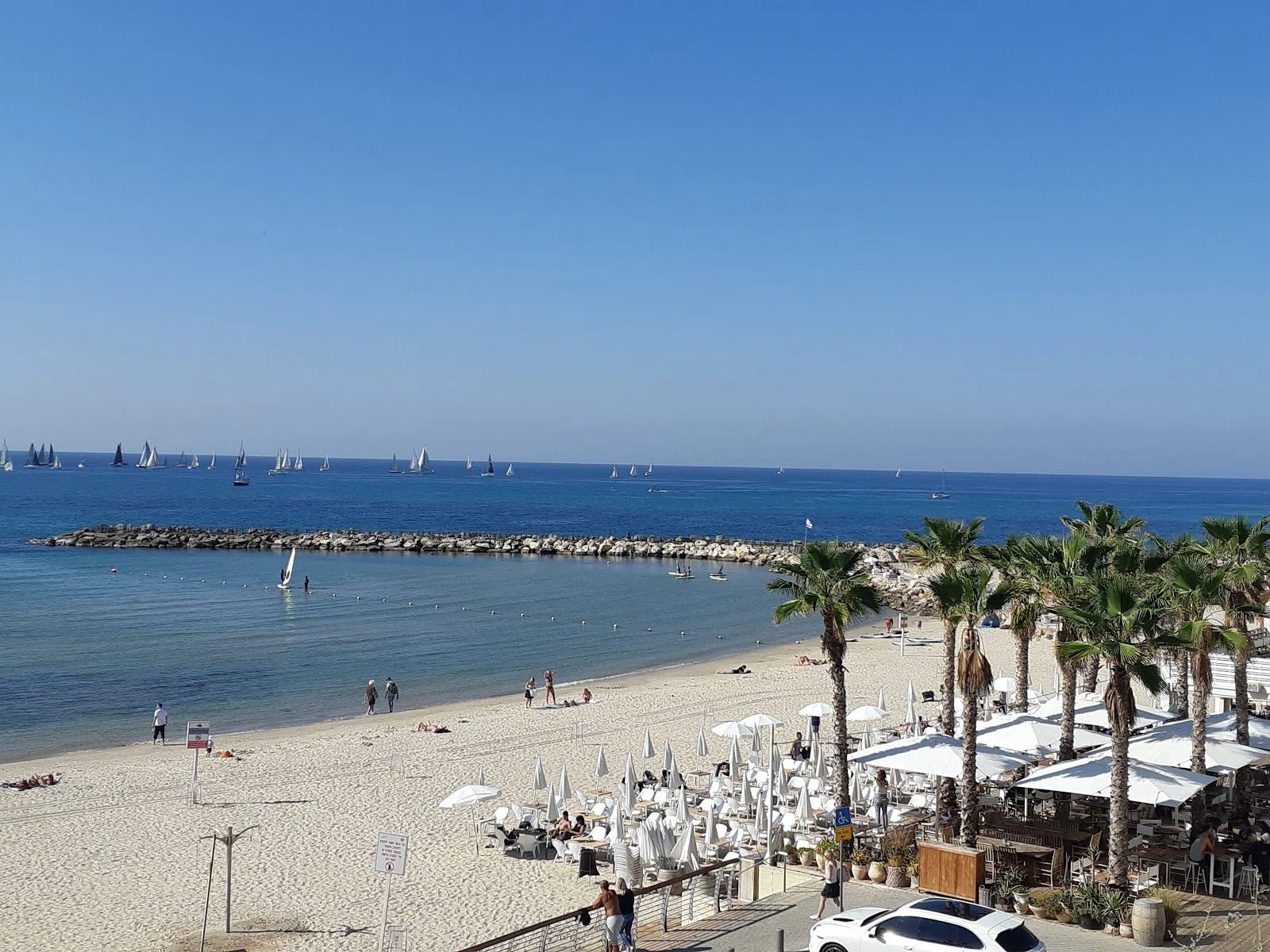
Hilton Beach (northern seafront, below Independence Park) is the anchor. Entry is free and there is no door policy of any kind; municipal loungers and umbrellas are hired per item at roughly 20-30 ILS each, which suits a group better than it sounds. Nobody is booking a cabana or negotiating for a table. You take what you need and spread out along the sand. Come early. The light is better before ten, the guards are already up, and by late morning the stretch nearest the towers has filled.
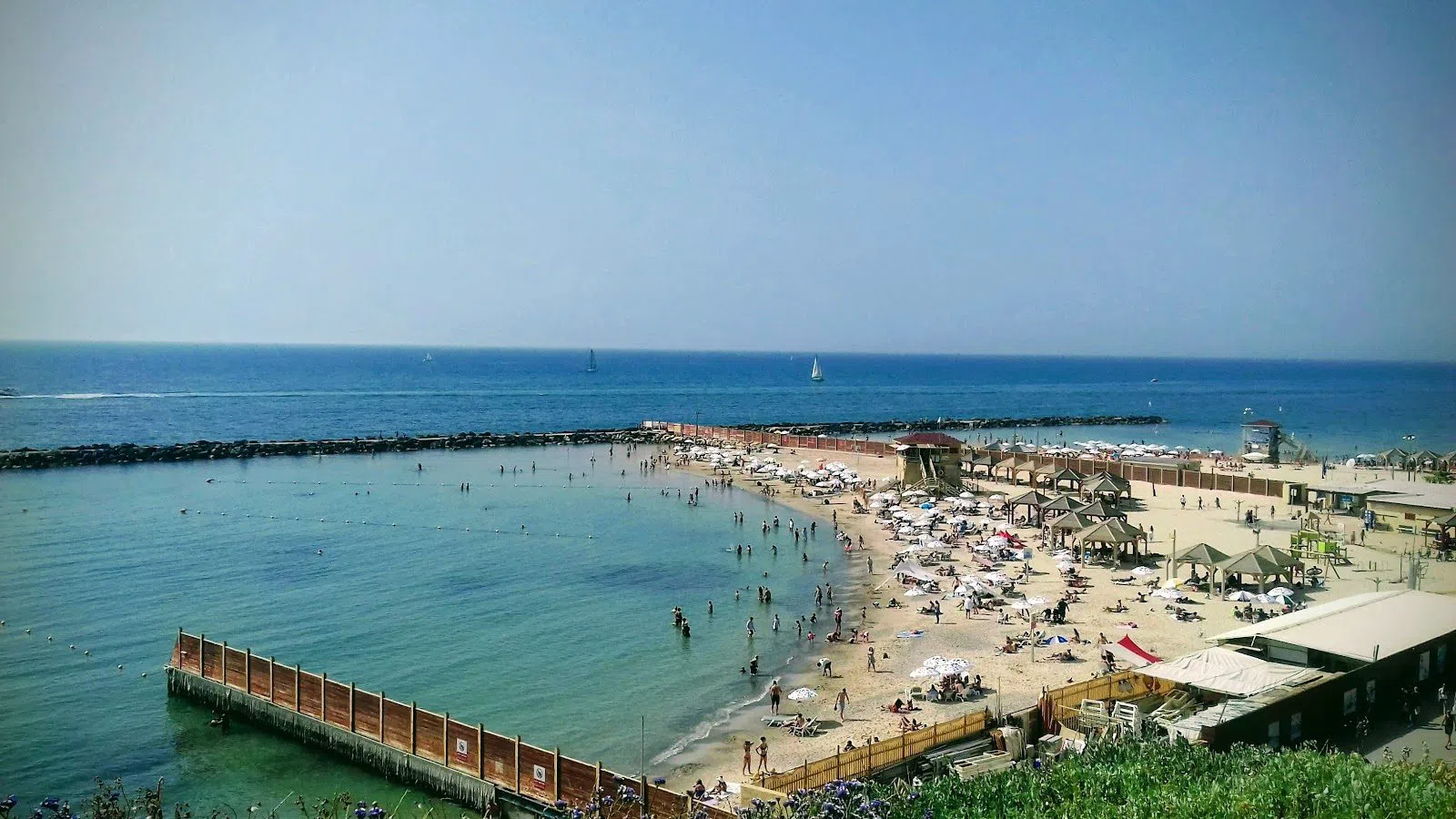
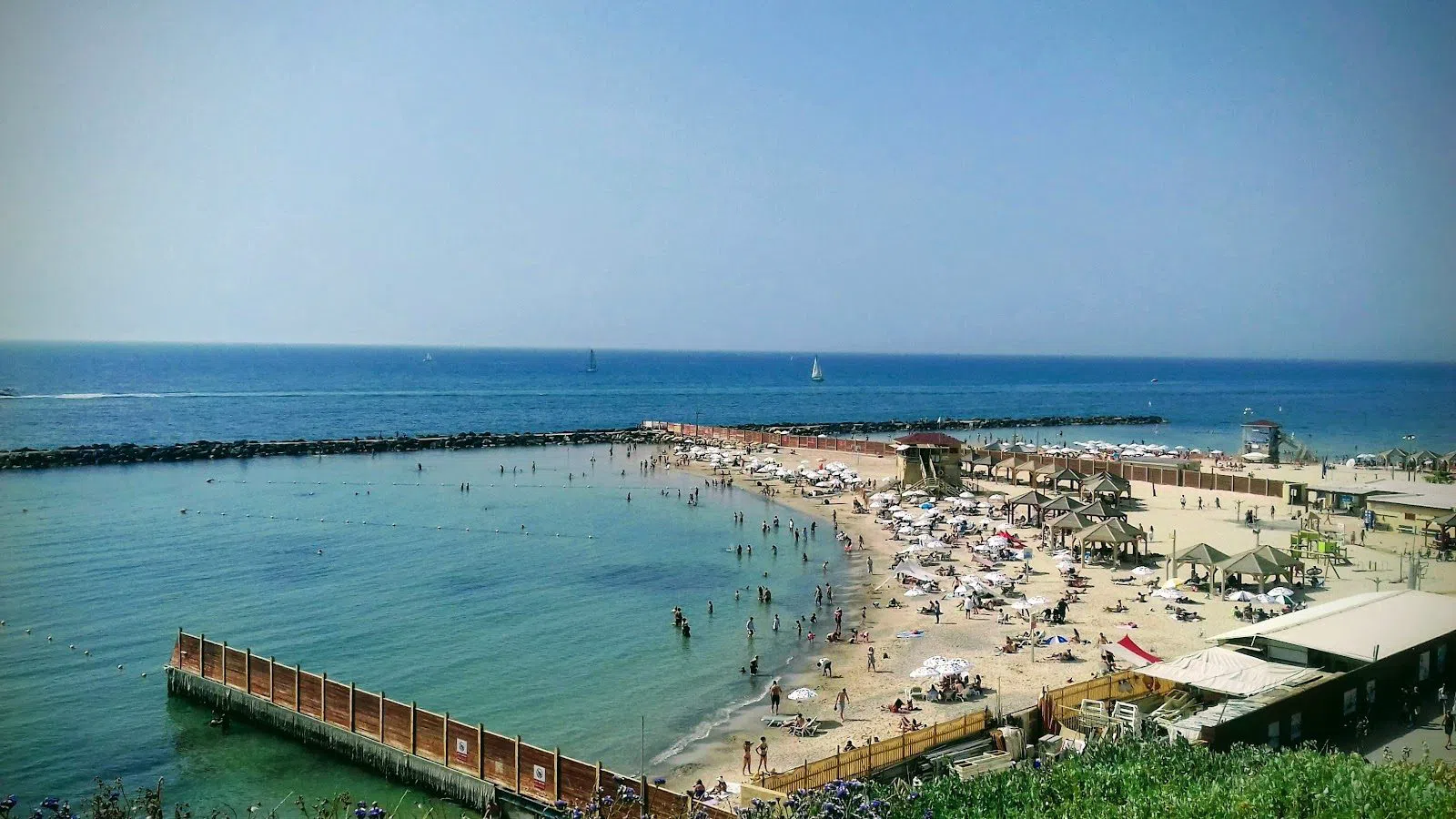
The genuine October problem is swell. As autumn sets in the sea takes on a shape it does not have in August, and on some mornings Gordon and Frishman are choppy enough that swimming becomes work rather than pleasure. Metzitzim Beach (five minutes' walk from Tel Aviv Port, at the northern end) is the answer to that. The bay is partially enclosed, and the breakwater holds the water flat when everything south of it is not. It is shallow, backed by a playground, and has three volleyball courts and a cafe on the sand that will seat a larger table. If you are travelling with children, or with a group containing one nervous swimmer, start here and treat the rest of the coast as optional.
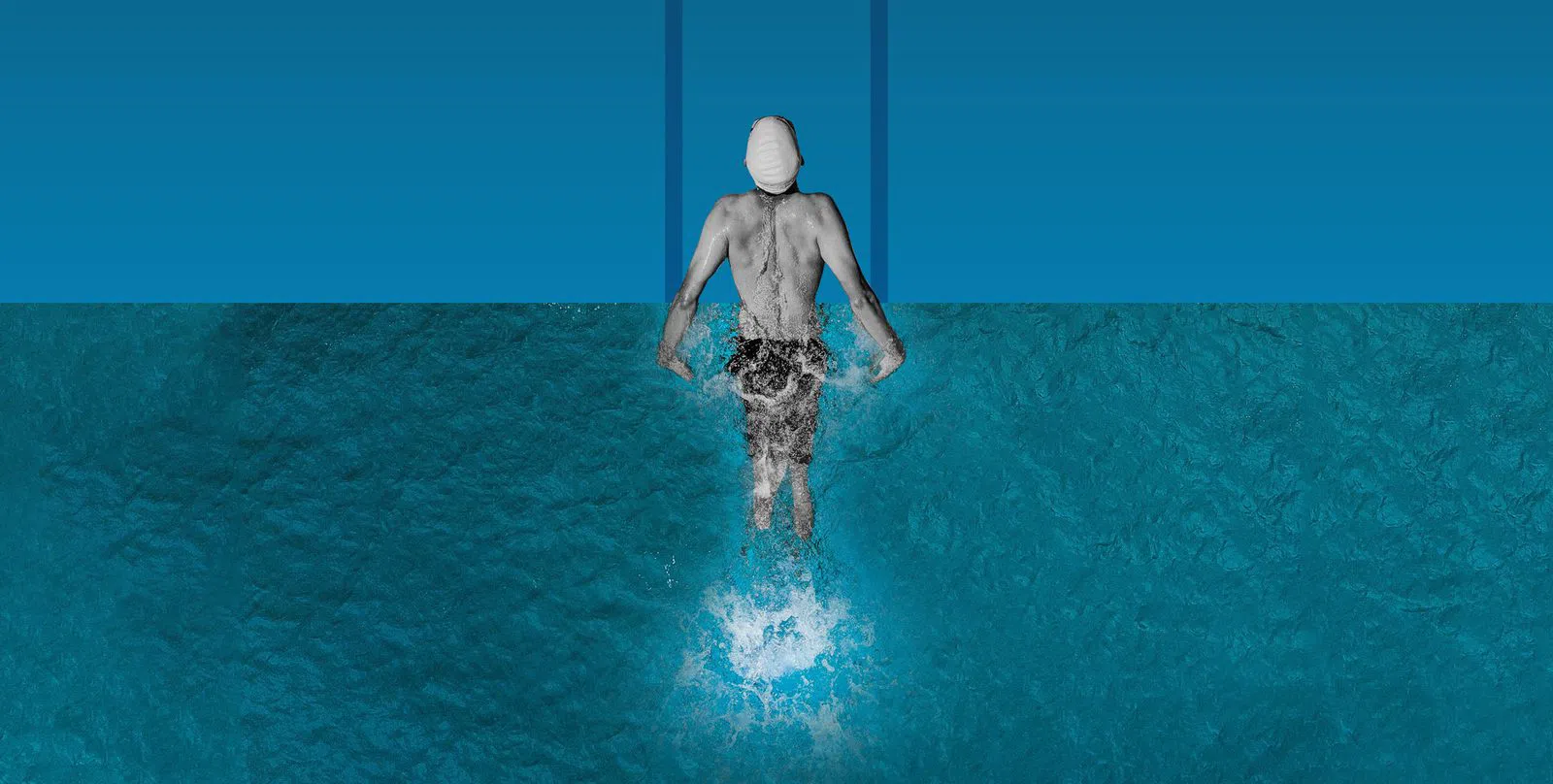
When the wind is up and even Metzitzim is unpleasant, walk to Gordon Pool (on the marina, between Hilton and Gordon beaches). It has been open since 1956 and is pumped with filtered seawater, so it swims like the sea without the swell: a 50m tank, with separate children's and toddlers' pools alongside. Day entry is about 65 ILS for adults and 52 ILS for children, walk-in, no membership, no group restrictions. Hours are Sunday 13:30-21:00, Monday to Thursday 06:00-21:00, Friday 06:00-19:00 and Saturday 07:00-18:00, but evening hours shorten after summer, so check on the day. Weekends are crowded; a weekday morning is close to yours alone.
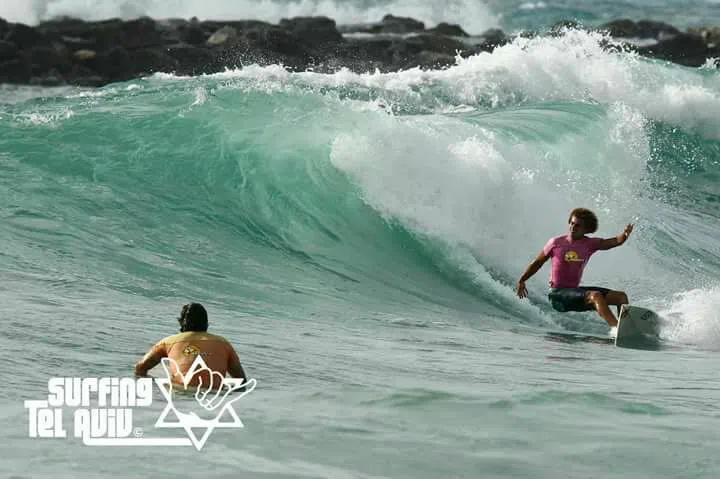
The same swell that spoils an easy swim is the reason to book a lesson. Topsea Surf Club (on Hilton Beach) was Israel's first surf school and still runs from that stretch, seven days a week, year-round. October is the honest window for a beginner: the water is warm enough to skip a wetsuit, and the autumn swell has arrived, so there is something to actually ride instead of the flat summer nothing. A group SUP lesson is around 120 ILS a head, a private surf lesson 150-250 ILS. Book by WhatsApp, and if there are more than a handful of you, give them a day's notice rather than arriving unannounced.
Plan your Tel Aviv trip
Live prices from our booking partners.
Free cancellation on many rooms. We may earn a commission when you book.
Walking the seafront end to end
The Tel Aviv Promenade (Tayelet) (the full length of the seafront) runs roughly five kilometres unbroken from Tel Aviv Port to Old Jaffa. It is free, open around the clock, and stepped down in tiers, so walkers, cyclists and people going nowhere in particular each keep to their own level and a group of six can walk abreast without blocking anyone. In high summer you only do this after dark. In October you can walk the whole thing in daylight, which is the difference between a seafront and a view of one. Shade is thin the entire way, so go in the morning or in the hour before sunset, and carry water rather than trusting the kiosks to be open.
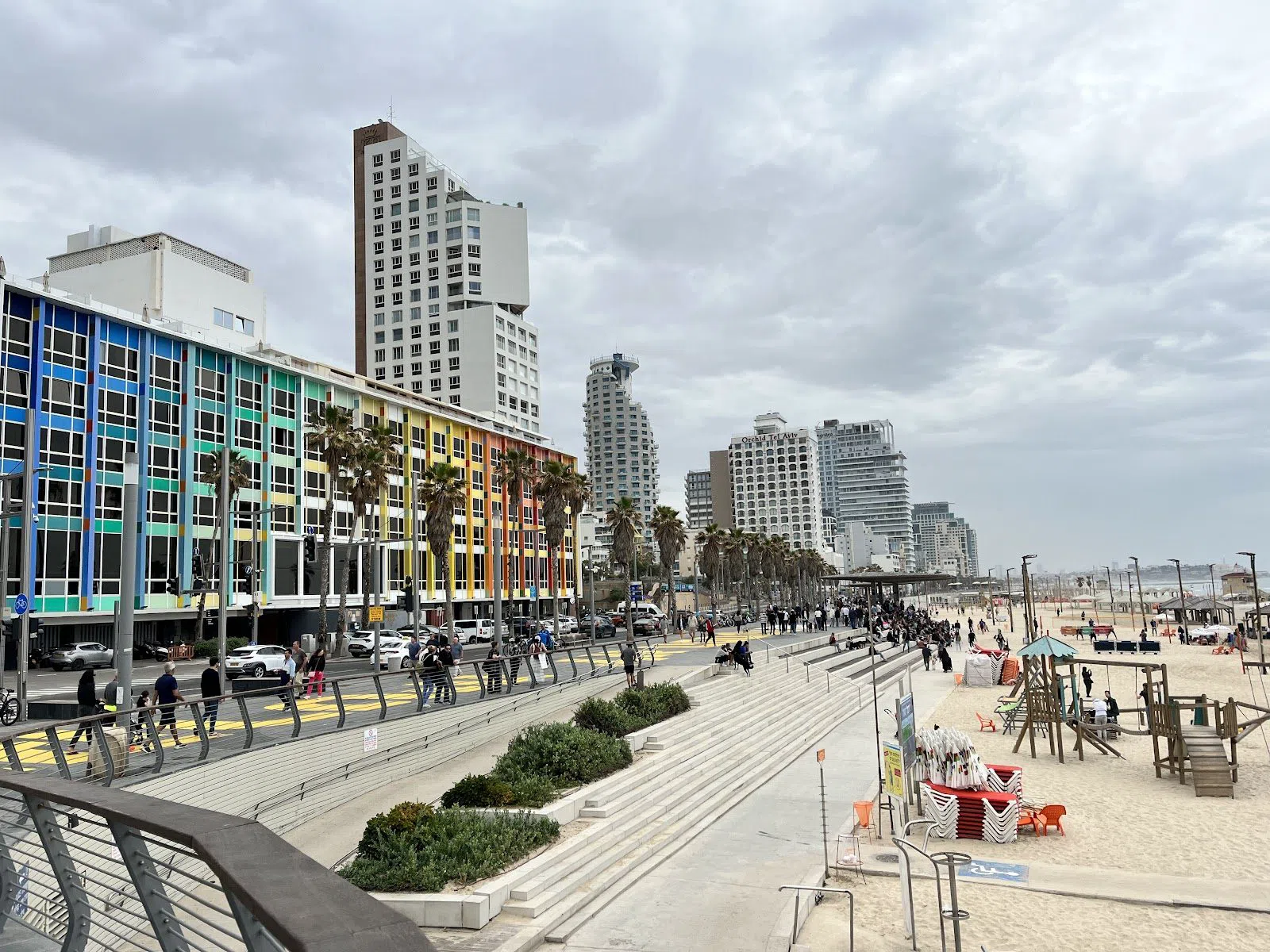
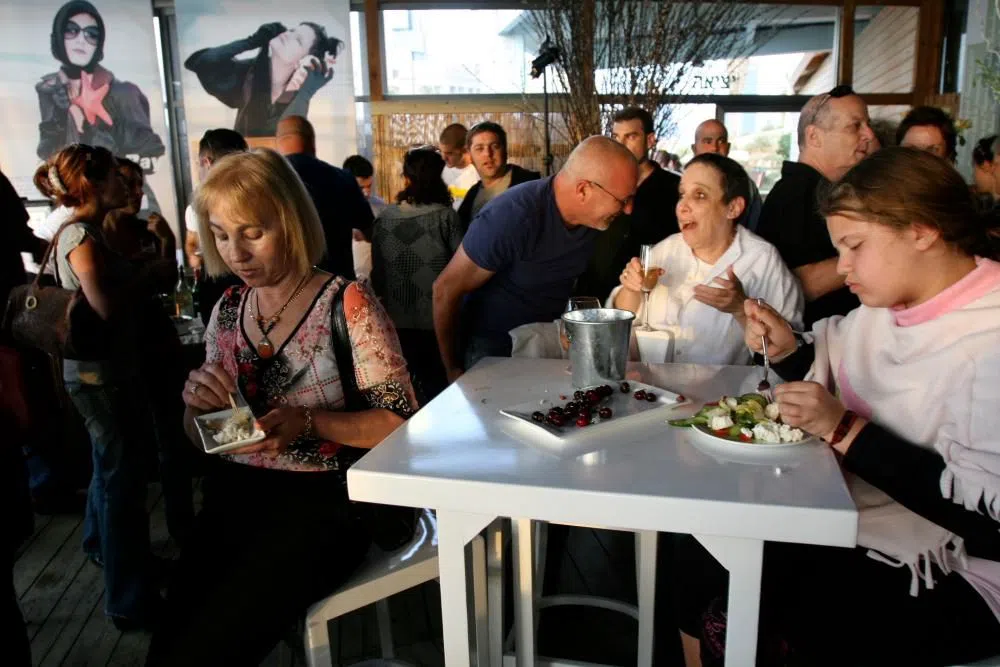
Walk south and the city loosens as you go: the hotel wall gives way to open sand, then to the low outline of Jaffa on its hill. Where Tel Aviv becomes Jaffa you reach Manta Ray (Alma Beach, at the southern end of the promenade), a seafood restaurant sitting directly on the sand. It is one of the few beachfront rooms in the city that can seat a large table, and it takes group bookings, but reserve ahead and reserve the terrace specifically; the indoor room misses the point of being there at all. Open daily 09:00-24:00, mains run about 90-180 ILS and mezze dishes 25-45 ILS each, which adds up faster than it reads. This is the lunch that turns a swim into a day.
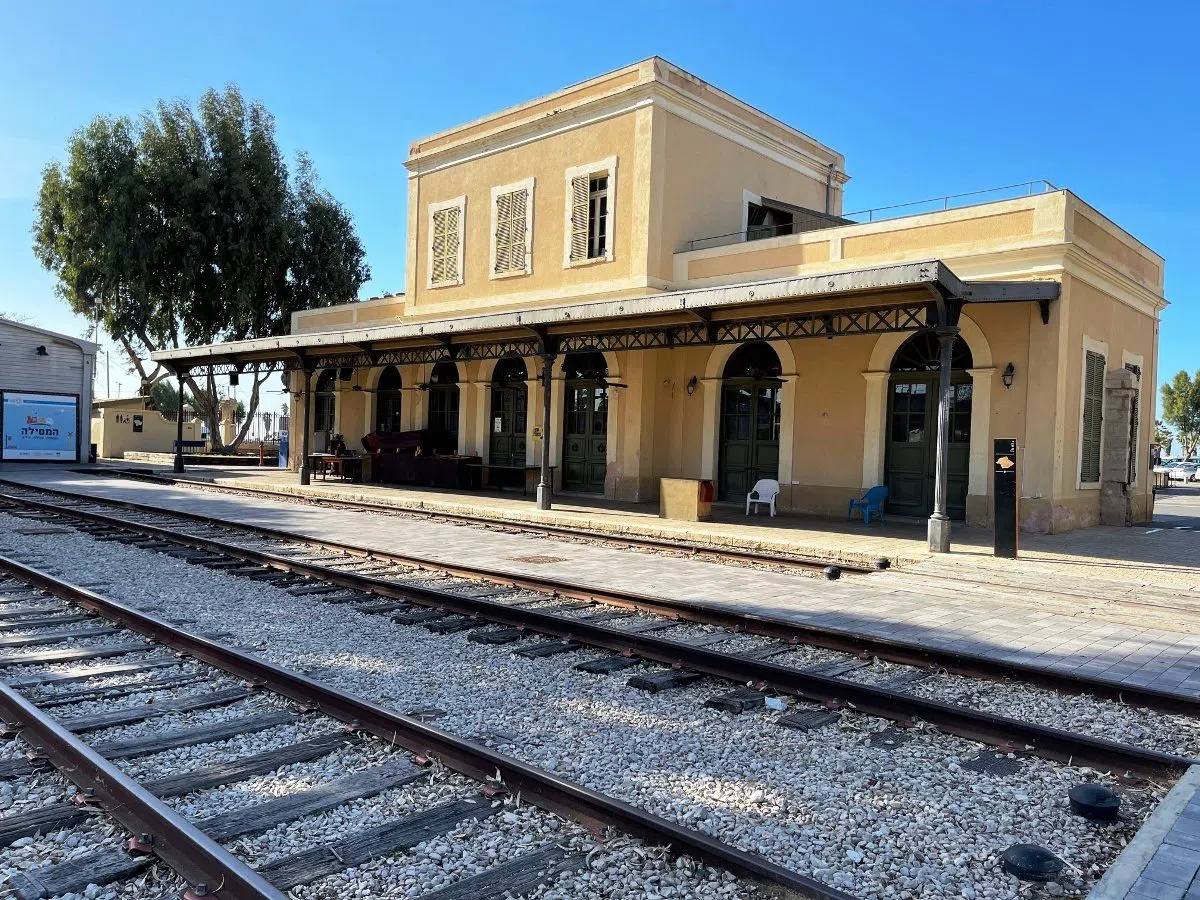
About two thirds of the way down, a short detour inland brings you to HaTachana (The Station) (between Neve Tzedek and Charles Clore Park), twenty-two restored buildings of the old Jaffa-Jerusalem railway terminus, now shops, cafes, temporary exhibitions and occasional live performance. It is open-air, free to enter, with no limits on group size, and open 10:00-22:00 daily, including Saturday, when much of the city is shut. Geographically it is the hinge of any October itinerary: the sea on one side, Neve Tzedek's lanes on the other.
Two markets and the Saturday problem
The single scheduling fact that catches out most first-time visitors is Shabbat. From Friday afternoon until Saturday evening a large part of the city closes, and the markets are the first thing to go.
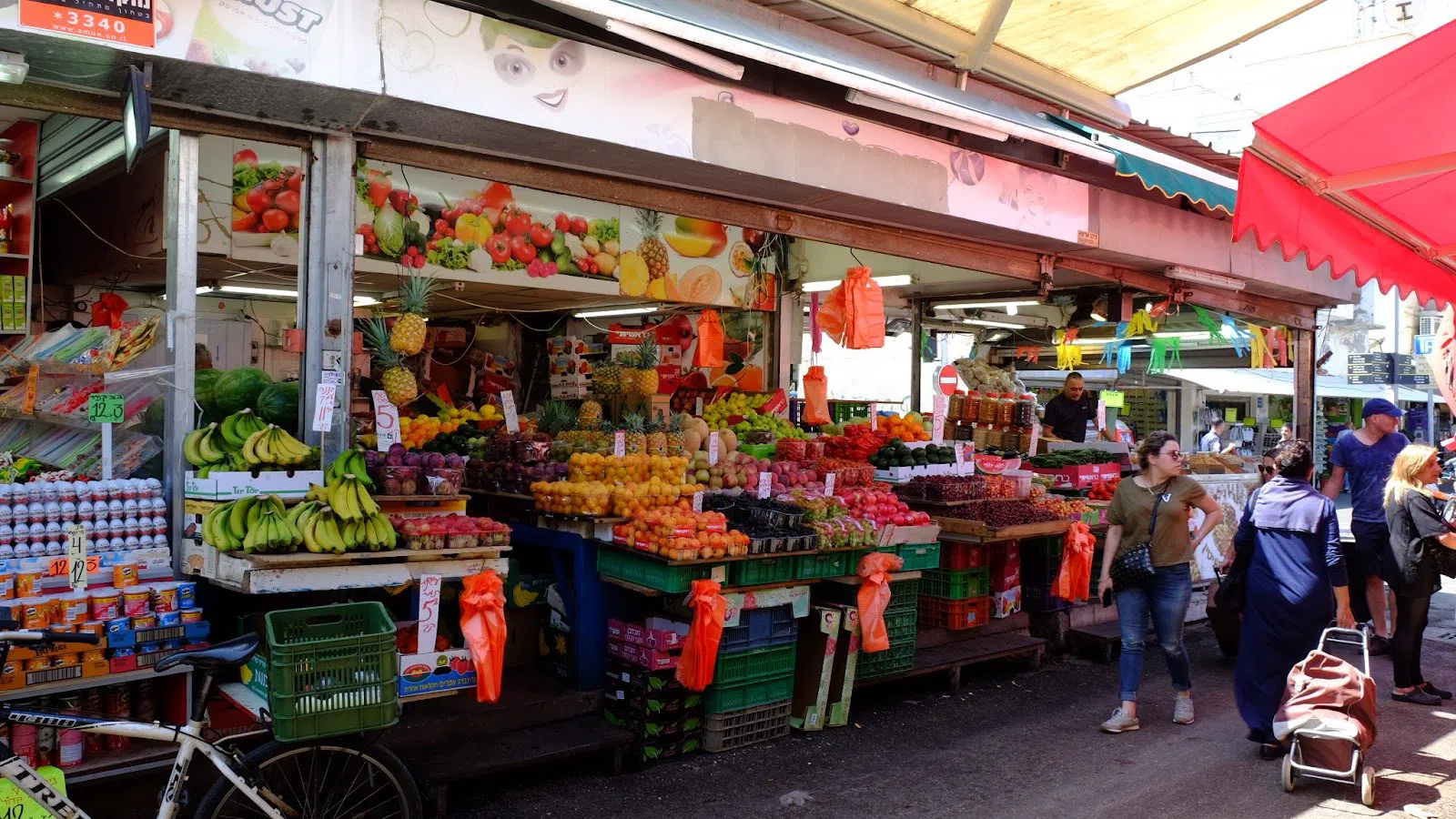
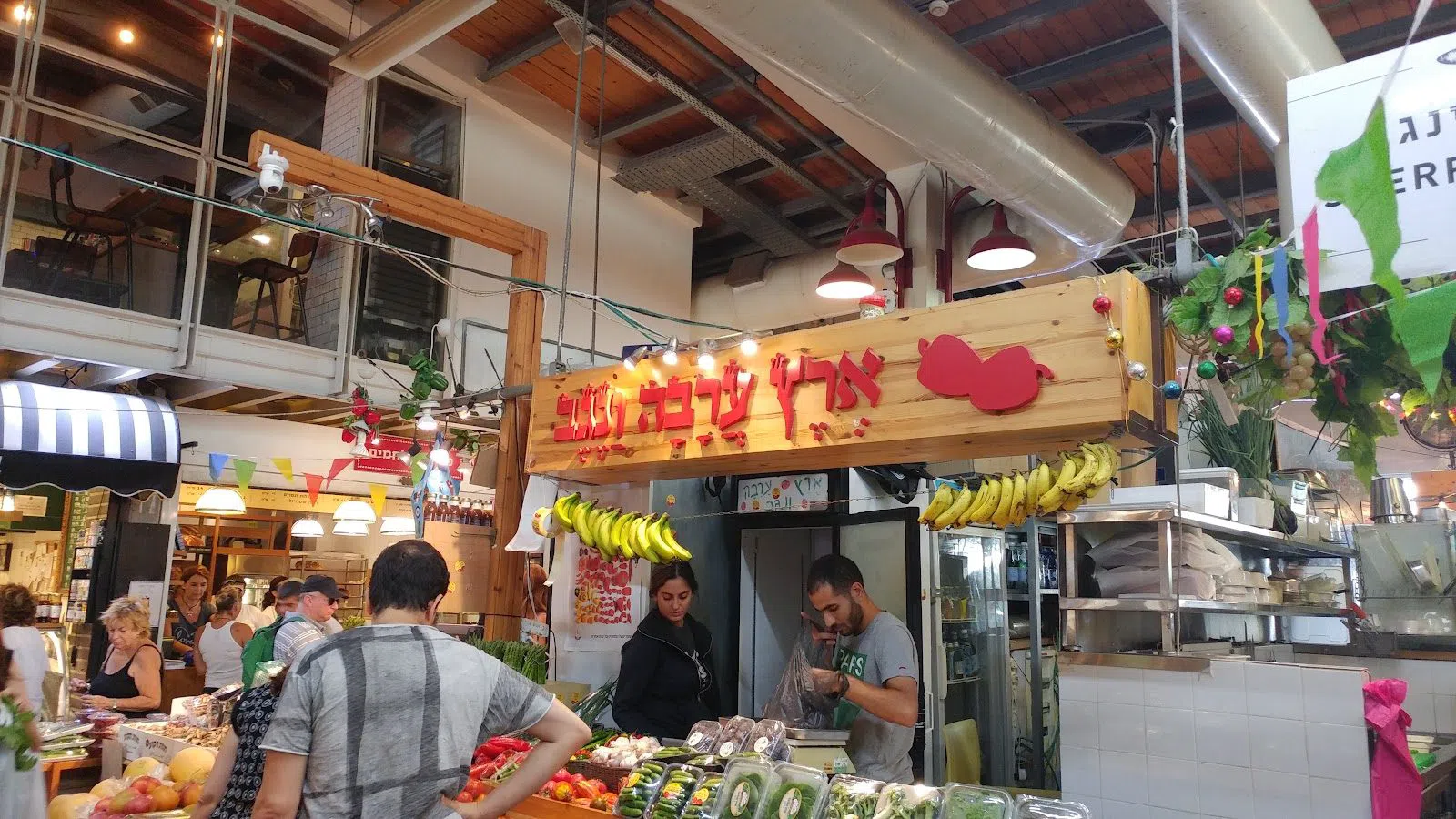
Carmel Market (Shuk HaCarmel) (off Allenby, beside Kerem HaTeimanim) runs from 08:00 into the evening, closes early on Friday afternoon and does not open on Saturday. Plan around that and it is one of the better hours you will spend here; it has been renovated with covered walkways and is now as much chef-stall territory as produce market, with street food at roughly 20-50 ILS. The main alley is genuinely narrow, though. Four people can move through it together. Eight cannot, so agree a meeting point at one end before you go in, and let people drift.
For Saturday, and for rain, use Shuk HaNamal (Tel Aviv Port Market) (inside the Port complex, north). It is indoor, covered, and open on Saturday when the street markets are not, with communal seating that absorbs a larger party without any booking. Hours are Monday to Thursday and Saturday 08:00-20:00, Friday 08:00-15:00, closed Sunday, and lunch lands at around 50-100 ILS a head. The covered part matters more in October than it would in July: this is the month the rains return, about 34mm spread across roughly six days. A Friday visit also puts you next to the organic market that sets up in the adjacent lot.
The White City on foot
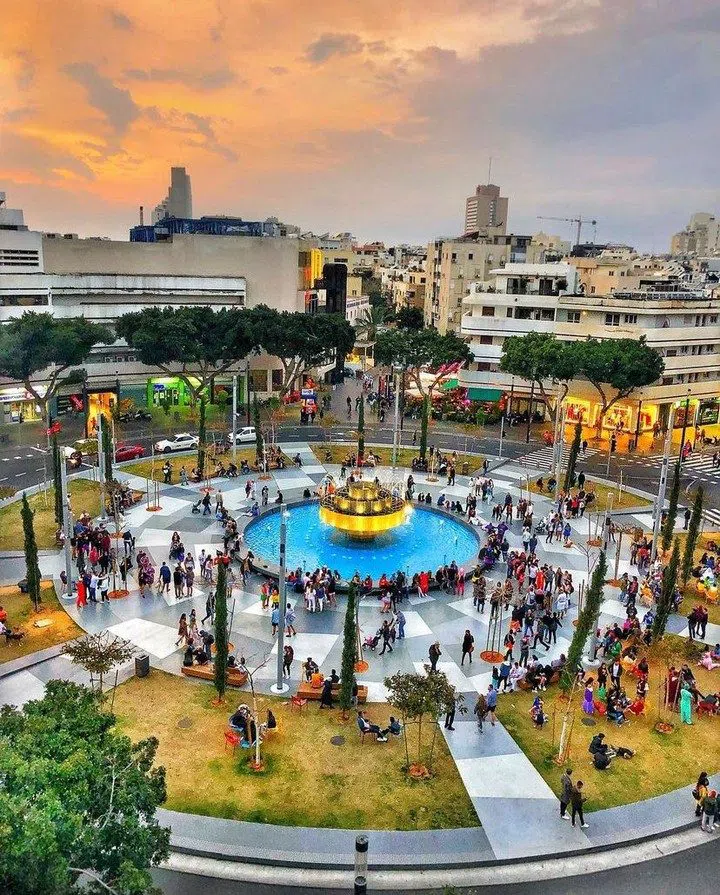
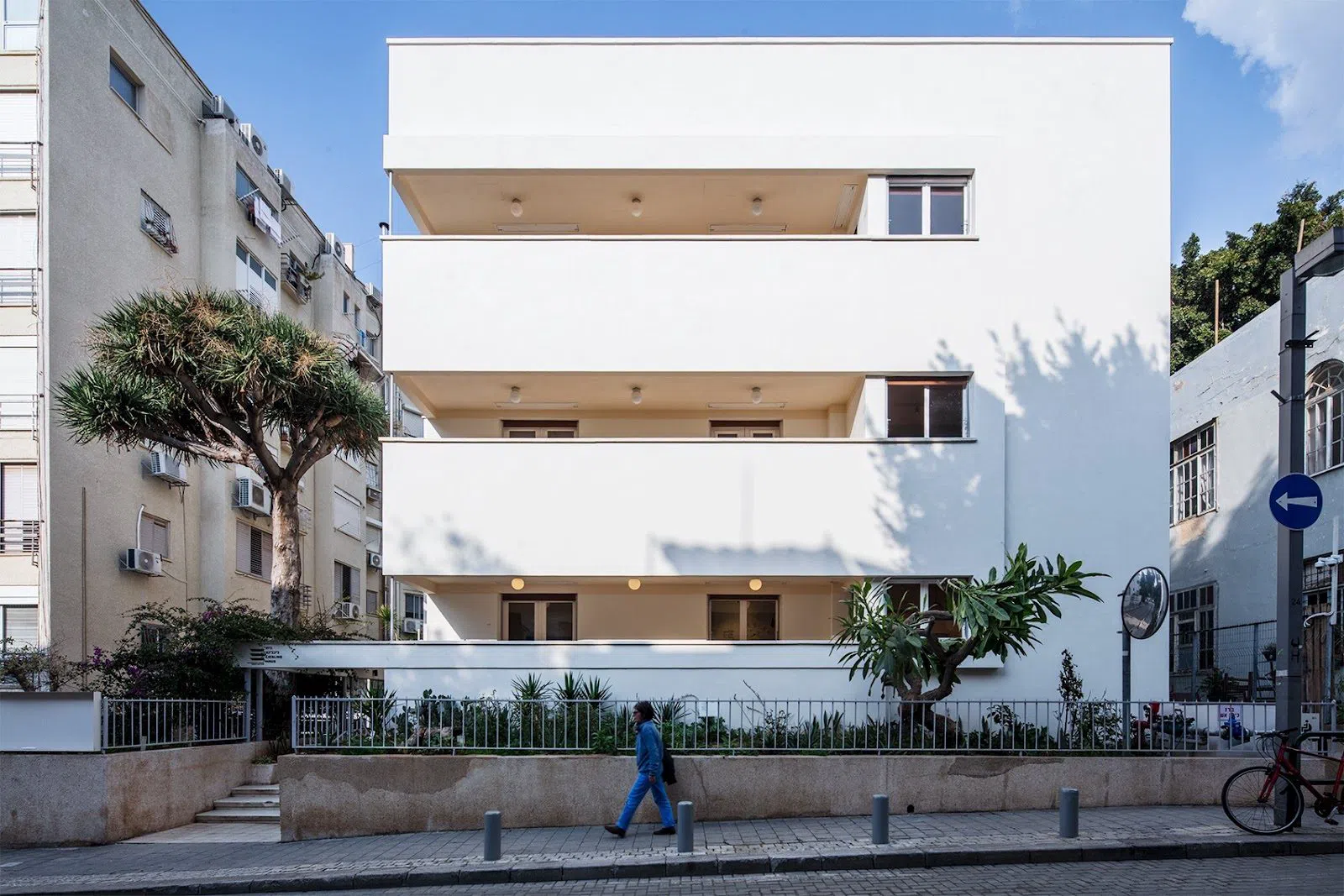
Cooler air is what makes Tel Aviv's architecture legible. The White City, the dense stock of 1930s International Style buildings that earned the city its UNESCO listing, is only really understandable at walking pace, looking up, which is unbearable in August and pleasant in October.
Start at Liebling Haus - The White City Center (29 Idelson Street, Lev Ha'ir). Entry is free, no booking needed, and a free audio app carries a self-guided tour so a group can move at its own pace without hiring anyone. The building itself is a Dov Karmi design, and the thing to look at is the balconies: deeply recessed, shading the rooms behind them, which is what the local architects did to a European idea when they had to build it on a hot coastal plain. Hours are Sunday to Thursday 08:00-16:00, Friday 08:00-14:00 and Saturday 10:00-14:00. It has no reliable official website (the former domain is no longer the museum's), so ignore whatever a search throws up and simply arrive within those hours.
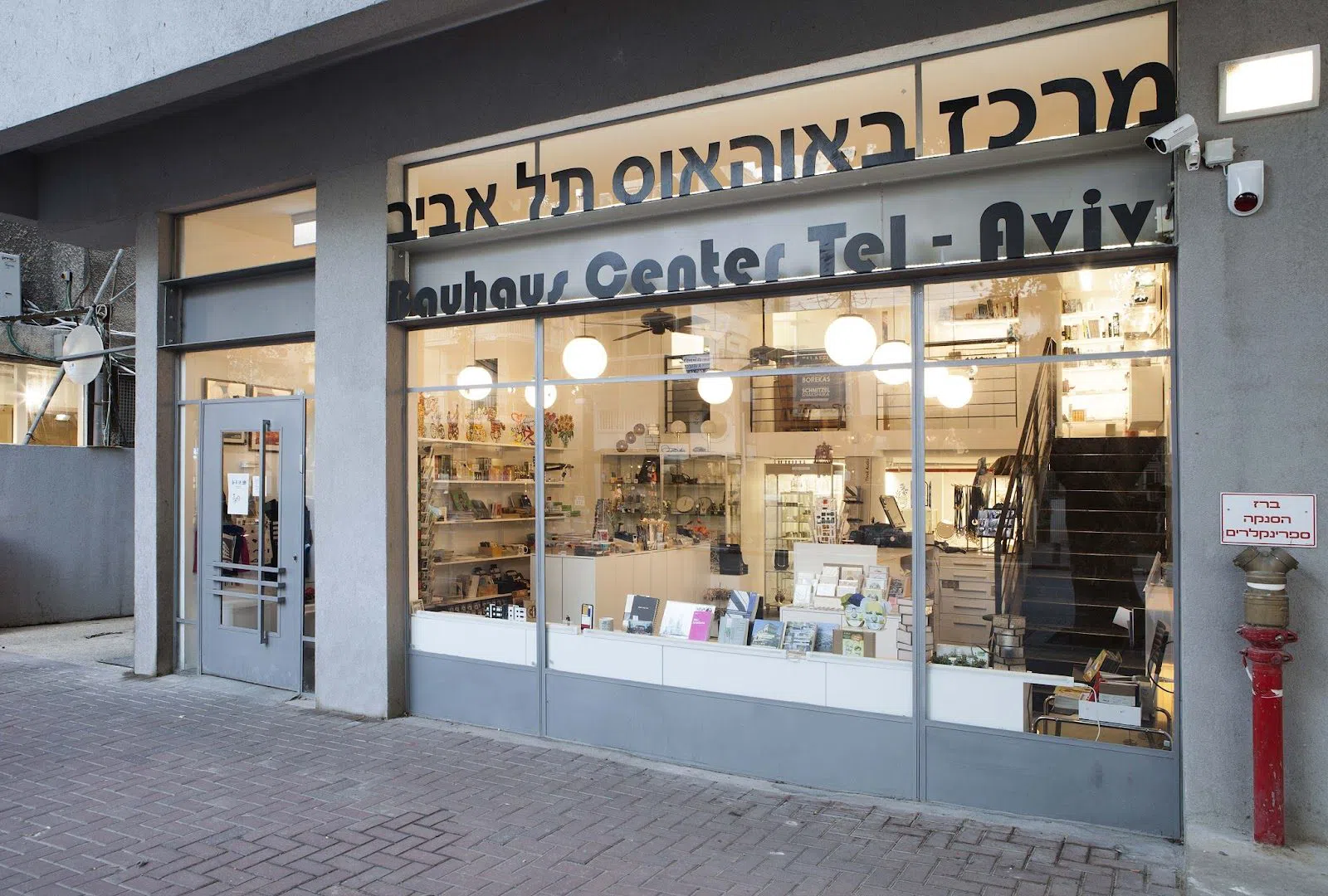
If you want the buildings explained rather than pointed at, Bauhaus Center Tel Aviv (77 Dizengoff Street, between the square and the mall) runs scheduled guided walking tours at roughly 80-120 ILS per person, and private tours for groups. The shop sells self-guided maps and audio tours if you would rather go alone. Note the address: the centre has moved twice along this street, and older guidebooks still send people to 99 or 155 Dizengoff.
An evening in Neve Tzedek
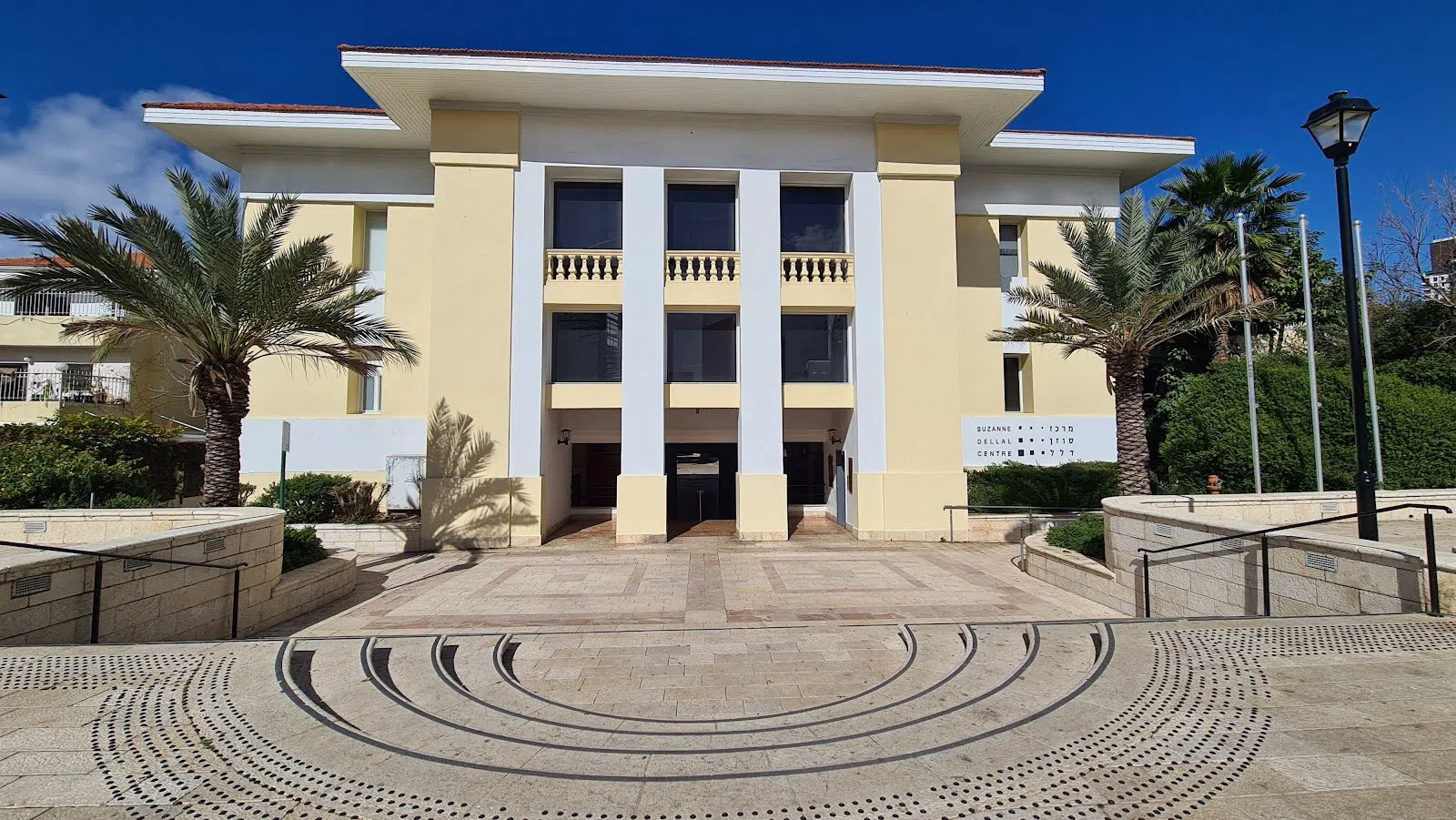
Neve Tzedek was built in 1887, two decades before Tel Aviv itself, and it still reads as an older, lower, quieter settlement that the city grew around. The reason to walk in beyond the lanes is the Suzanne Dellal Centre for Dance and Theatre (Neve Tzedek). The plaza is free and always open, and the courtyard is worth the detour on its own. It stages over 750 events a year and is home to Batsheva Dance Company, whose 2025-26 season runs through the autumn; tickets are roughly 100-250 ILS with group rates available. If you book one cultural thing in Tel Aviv, a Batsheva or Batsheva Ensemble night here is the one I would pick. Book it before you fly, because these evenings sell out to locals, not to visitors.
Old Jaffa in the cooler hours
Jaffa rewards October more than any other part of the city, because it is all stone, all uphill, and all sun until the afternoon turns.
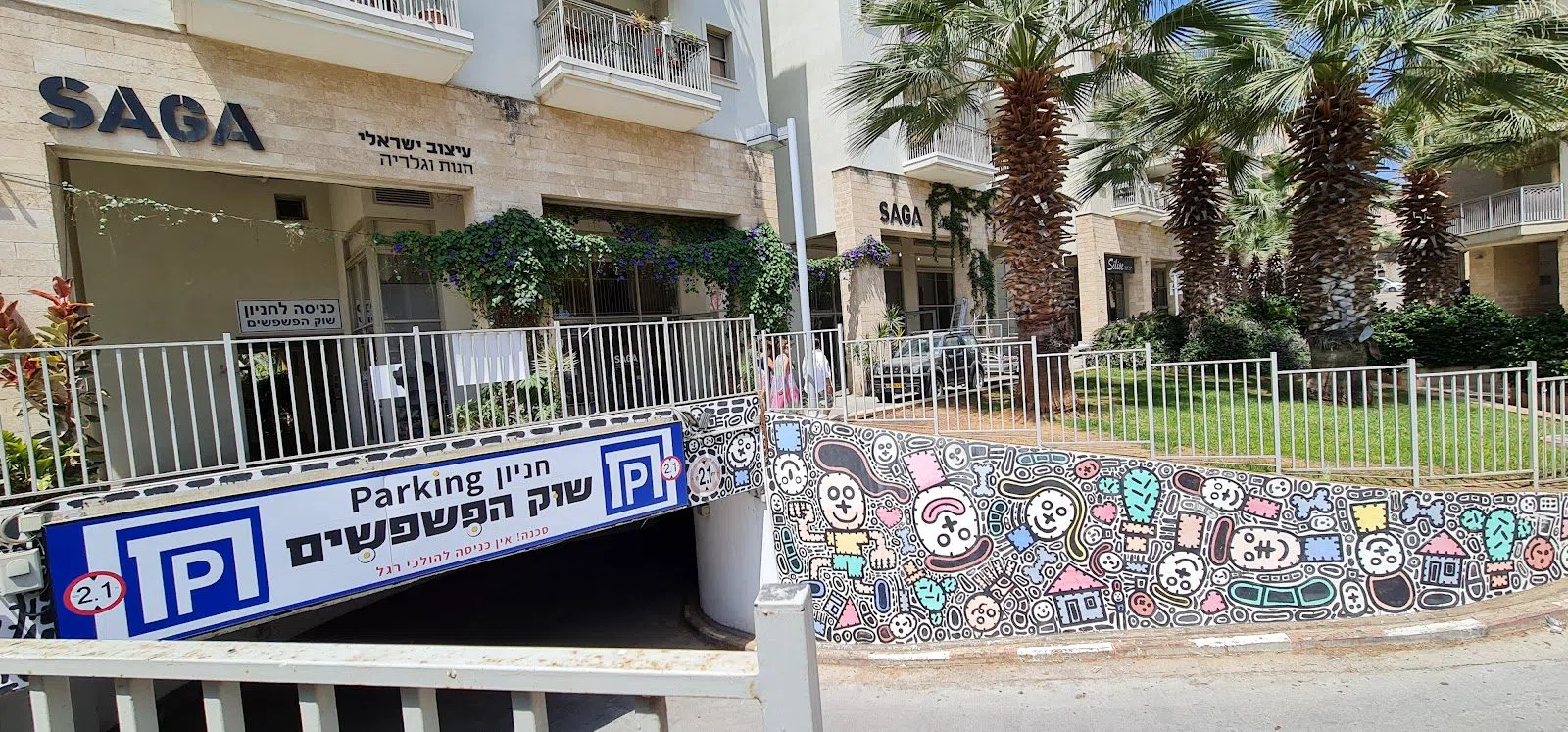
Jaffa Flea Market (Shuk HaPishpeshim) (Old Jaffa, around Olei Tzion and Amiad streets) works on a split timetable that is worth writing down. The stalls open Sunday to Thursday 09:00-17:00 and Friday 09:00-14:00, and shut on Saturday, though the cafes and bars around them run through Saturday regardless. So: go for the junk and the furniture by day, and for the tables after dark, when the lanes fill and the outdoor seating comes into its own. Drinks are around 30-45 ILS, meals 70-150 ILS, and most of the bars will take a group if you ask first.
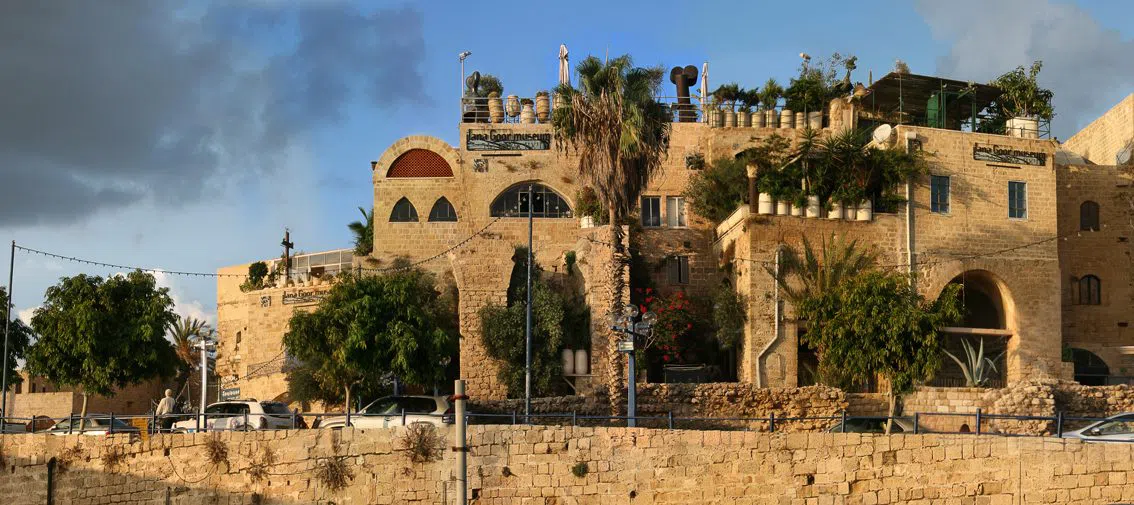
Uphill, Ilana Goor Museum (Old Jaffa, above the port) is both the artist's home and her gallery, which is what separates it from a conventional museum: you walk through rooms she actually lives in. Admission is about 30-40 ILS, and it opens Sunday to Thursday and Saturday 10:00-16:00, Friday 10:00-14:00, closing only for Yom Kippur and its eve. The rooms are small and linked by stairs, so a large party should split and meet on the roof terrace, which has the best sea view in Old Jaffa that costs you nothing extra.
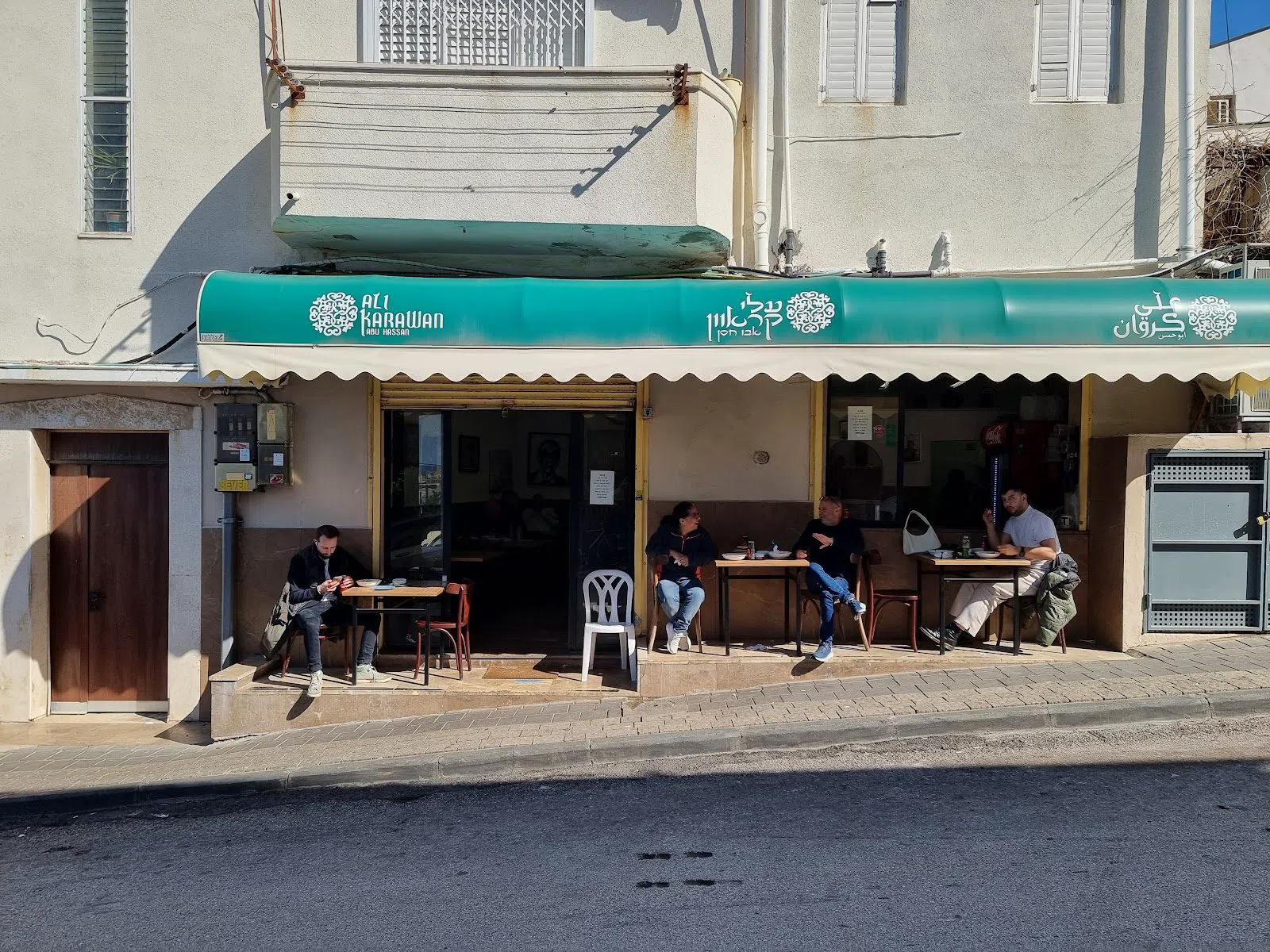
Then there is Abu Hassan (Ali Karavan) (HaDolphin Street, Jaffa), and the timing is the whole warning. It opens Sunday to Friday 07:45-14:45, or until the hummus runs out, which it regularly does well before closing. There are no bookings, the turnover is communal and the tables are shared: fine for three or four, awkward beyond that. It is not kosher, so it keeps its hours through Friday when much of the city is winding down, but it does not open on Saturday. Two further branches sit on Shivtei Israel if the original has already emptied its pots. Bowls run 25-40 ILS.
What to do when it rains
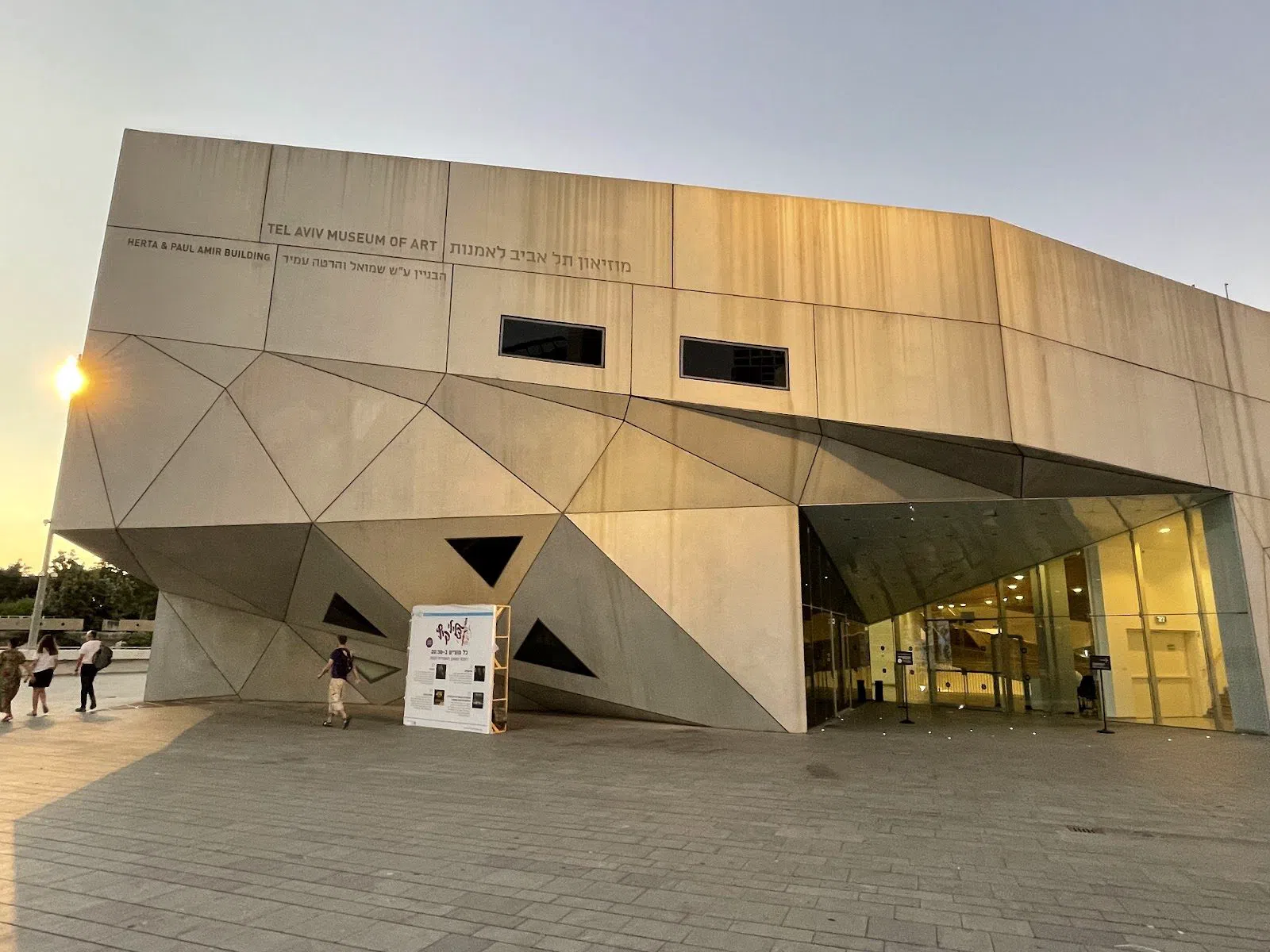
October rain here is not drizzle. It arrives in short heavy bursts, six days or so across the month, and it clears. The building to have in reserve is Tel Aviv Museum of Art (27 Shaul HaMelech Boulevard), which holds the most serious art collection in the country and is large enough to lose and regroup a party in without anyone panicking. Admission is roughly 50-60 ILS, and guided tours and group visits are arranged by phone. One practical note: renovation work means entry is currently through the Herta and Paul Amir Building rather than the main entrance, so walk to the newer wing and do not queue at a closed door.
Practical notes
Timing. Israel's autumn holidays shift each year against the Gregorian calendar, and in 2026 they fall early, with the Sukkot week finishing at the very start of October rather than mid-month. Confirm the exact dates before you book: on holiday eves the city closes early and domestic crowds fill the beaches. After that first week, October settles into the shoulder season proper: warm sea, thinner crowds, lower room rates than August. For where to base yourself, the seafront strip between the Port and Gordon puts the beaches, the pool and the promenade within a ten-minute walk; start with a Tel Aviv hotel search, and read the wider Tel Aviv guide for the districts inland.
Transport. Most of what is above is walkable, and the promenade is the walk. Buses do not take cash, so load a Rav-Kav card or use one of the ticketing apps before you need one. From Friday afternoon to Saturday evening bus services stop; shared sherut taxis on the main north-south routes keep running, and metered taxis and ride apps run throughout at a premium. Scooters and rental bikes cover the Port-to-Jaffa run in about twenty minutes, but the promenade's cycle lane is the only sensible place to ride them.
Cash. Everything is priced in shekels. Cards work almost everywhere, but carry small notes for market stalls, the hummus counters and the beach lounger attendant, who will not want plastic.
Budget. A straightforward day (loungers, a market lunch, a museum, drinks in Jaffa) sits around 250-350 ILS a head. Add a surf lesson and a terrace table at Manta Ray and you are closer to 600. The promenade, the plaza at Suzanne Dellal, Liebling Haus, HaTachana and both markets cost nothing to walk, which means you can build a full, honest day here for the price of lunch and a bus fare.
Before you go
Can you still swim in the sea in Tel Aviv in October?
Yes. The official bathing season runs May to October, so October is the last month with lifeguards on duty, roughly 07:45 until sundown, and marked safe zones. The sea is near 27C, often warmer than the air on a cloudy day. Swimming outside the flagged zones is prohibited, and once the season ends the beaches are unsupervised and swimming is formally banned.
Does it rain much in Tel Aviv in October?
October is when the rains return, though not heavily: around 34mm across roughly six days, usually in short heavy bursts rather than all-day drizzle. Keep one covered option in reserve. Shuk HaNamal at the Port is indoor, and Tel Aviv Museum of Art on Shaul HaMelech Boulevard is large enough to fill an afternoon.
What is open in Tel Aviv on Saturday?
Carmel Market and the Jaffa Flea Market stalls close on Saturday, and most buses stop from Friday afternoon to Saturday evening. Still open: Shuk HaNamal (08:00-20:00), HaTachana (10:00-22:00), Gordon Pool (07:00-18:00), Ilana Goor Museum (10:00-16:00), the beaches, the promenade, and the bars and cafes around the flea market. Abu Hassan does not open on Saturday.
Is October a good month to learn to surf in Tel Aviv?
It is a good month to learn. The autumn swell has arrived so there are actual waves, and the water is still warm enough to skip a wetsuit. Topsea Surf Club on Hilton Beach runs group and private lessons seven days a week, around 120 ILS for a group SUP session and 150-250 ILS for a private surf lesson. Book by WhatsApp, and give a day's notice for larger parties.
What does a day in Tel Aviv cost in October?
Budget roughly 250-350 ILS a head for loungers (20-30 ILS per item), a market lunch (20-100 ILS), a museum ticket (30-60 ILS) and drinks in Jaffa (30-45 ILS). A surf lesson and a terrace lunch at Manta Ray push it toward 600 ILS. The promenade, Liebling Haus, HaTachana and the Suzanne Dellal plaza are free.